The recordings in Sassen's house
The Sassen transcript was typed in Buenos Aires in 1957 from tapes that a group of former Nazis made of their weekend conversations with Adolf Eichmann.
The house and the circle
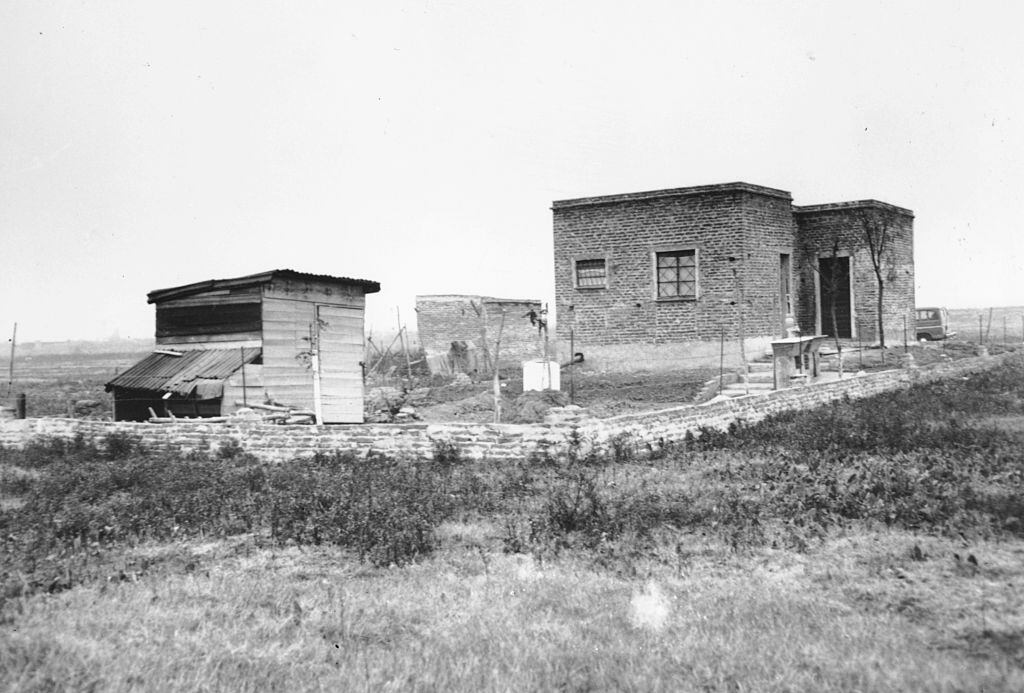
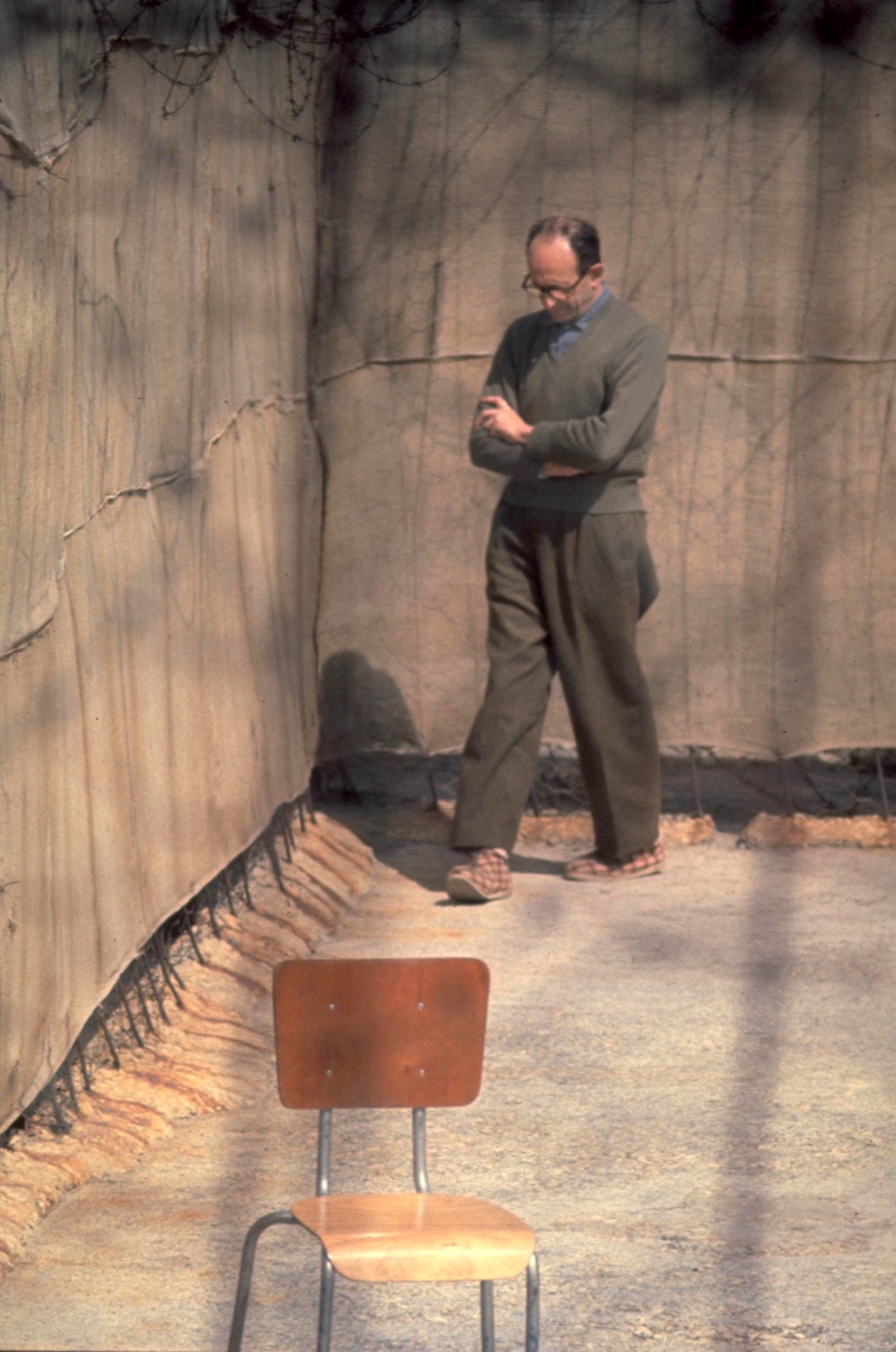
The tapes were made in Willem Sassen's house in Florida, a district in the north of Buenos Aires, in a front room lined with books and records. Bettina Stangneth, in her book Eichmann Before Jerusalem, places every session there from the sound alone. The same doors and windows can be heard throughout, and so can Sassen's wife and daughters in the background. Eichmann spent his weeks on a rabbit farm and his weekends with Sassen. From the tapes' own references, they began in April 1957 at the earliest and ran until at least the middle of October that year.
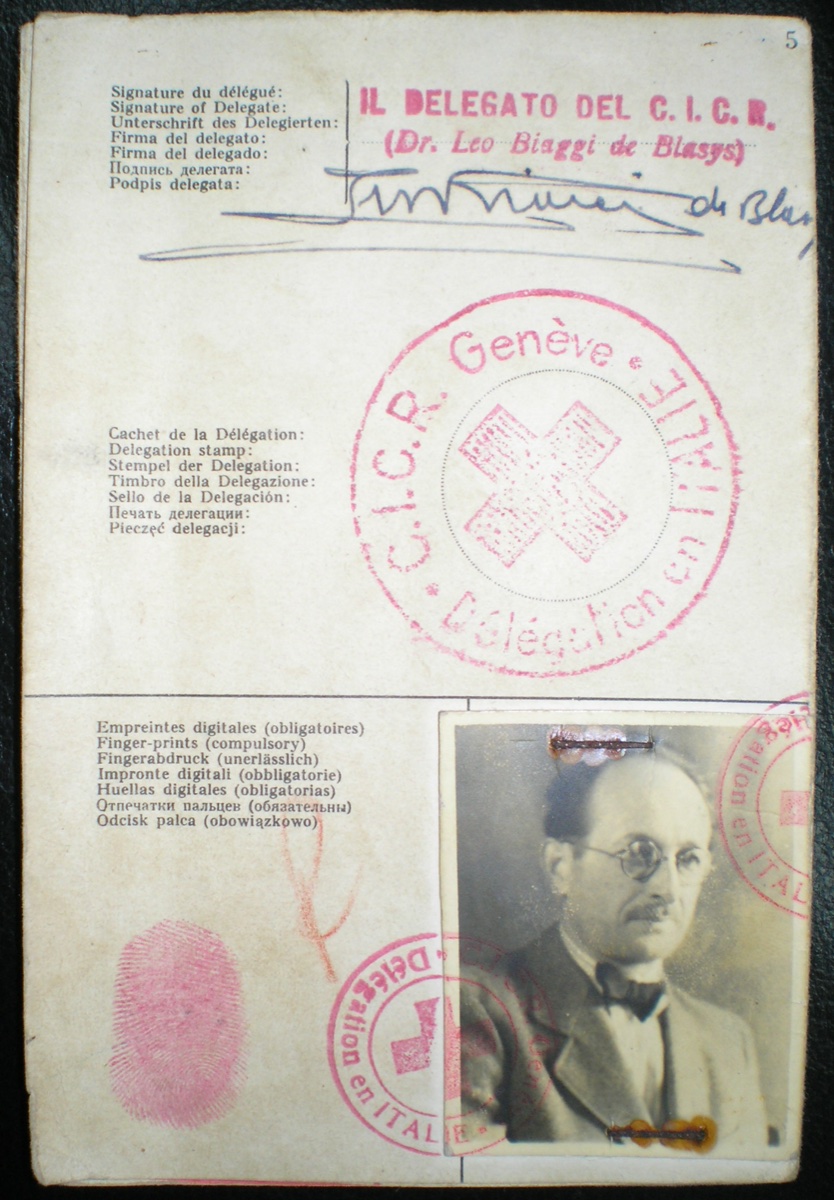
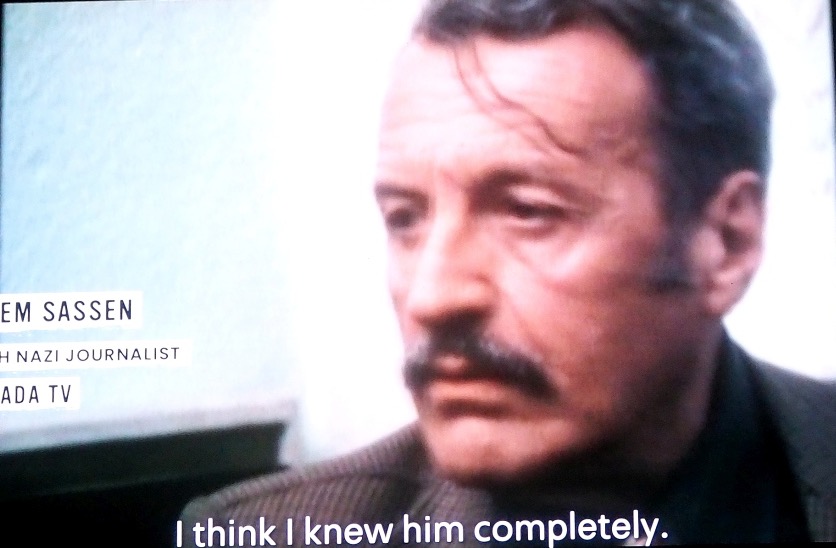
Sassen was a Dutch collaborator who had been in the SS war correspondents' corps and worked in Argentina as a journalist and ghostwriter. The project belonged to the circle around Dürer Verlag, the publishing house that Eberhard Fritsch had run since 1946 and whose magazine, Der Weg, was the most extreme of the postwar Nazi periodicals. Fritsch was born in Buenos Aires in 1921 and had no first-hand knowledge of the Reich. Besides Eichmann, Sassen and Fritsch, Stangneth finds clear evidence of at least two more voices: a Dr. Langer, a former SD officer from Vienna whose identity she couldn't resolve, and Ludolf von Alvensleben, once Himmler's chief adjutant, who took over the questioning in the last third of the transcript. The meetings became a social occasion with a changing cast, and there are signs that women were present. Nobody in the room used a false name, and Eichmann was known there by his own.
What the circle wanted from him
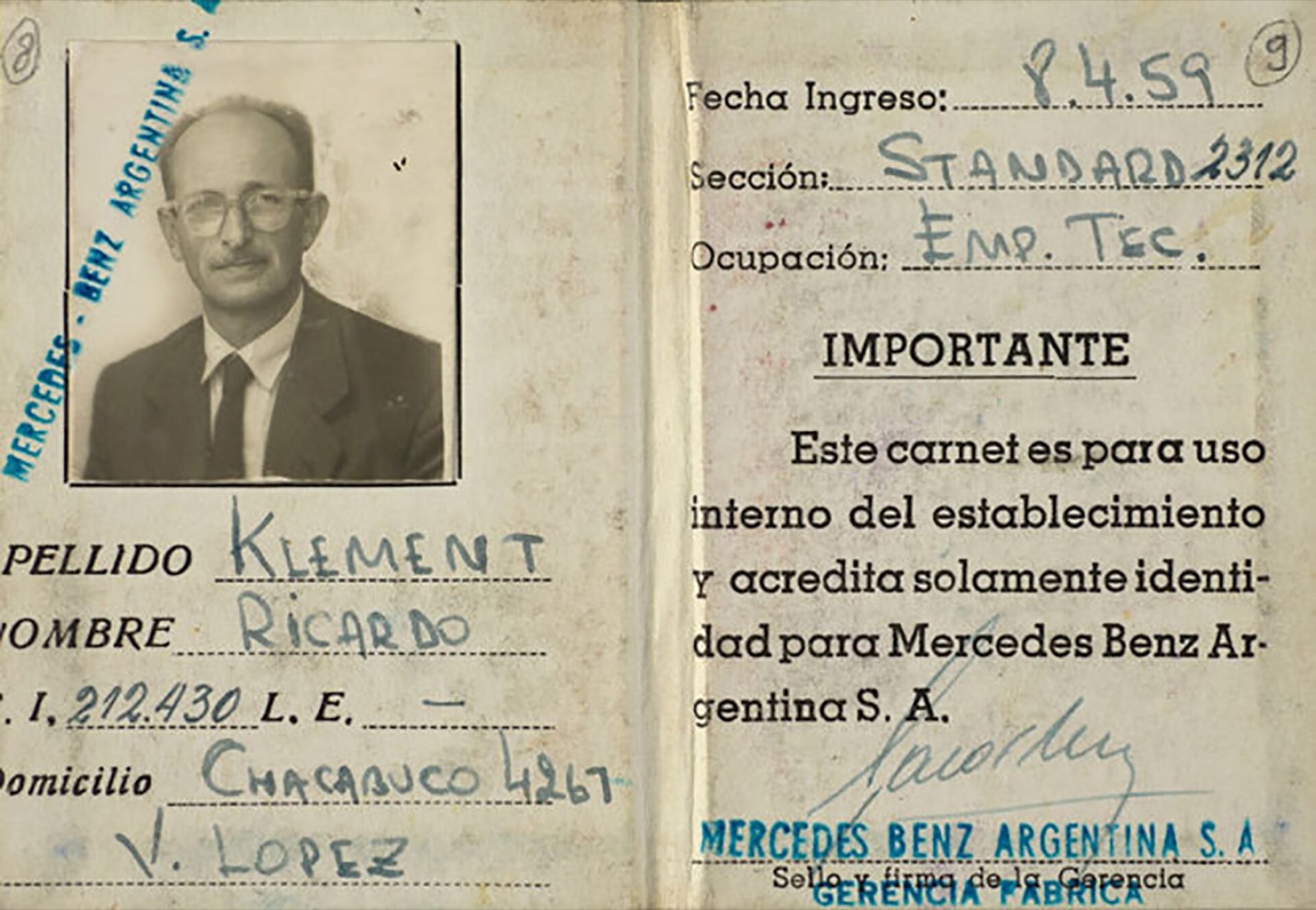
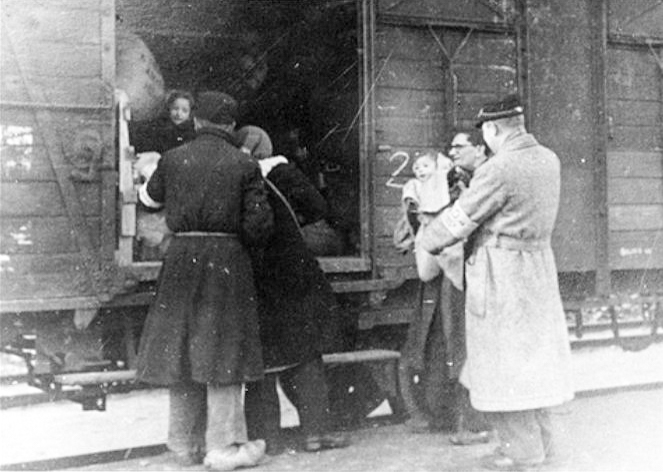
The project began as an attempt to deny the murder of the Jews or minimize its scale. Stangneth shows that the Dürer circle had manufactured the best known denial texts of the early 1950s, the articles in Der Weg that called the six million a lie and the invented "Warwick Hester" paper. She writes that deniers "have the forgers' workshop in Buenos Aires to thank for their most often-cited sources" (Stangneth, p. 153). By 1957 nobody in the circle believed those texts could stand against the documents that were now in print, so the aim narrowed to making the genocide look as small as possible. Eichmann was brought in as the one man who could vouch for the numbers. Sassen opened the sessions by asking him about "the theory of the six million" and about Wilhelm Höttl's sworn statement that Eichmann had told him of four million dead in the camps and two million more by shooting. What Sassen wanted to know was "how to make a mockery ... of this explanation" (Stangneth, pp. 296 to 297). One of the circle's working sheets says that everything the enemy has achieved stands on "the legend of the six million murdered Jews", and examining that thesis is of the highest importance to the work (transcript page 410).
Eichmann told the group what it wanted to hear about Höttl and Wisliceny, but on the events themselves he confirmed the killing again and again, and Sassen had to remind him that he was there as the guarantor for the figures. In her judgment the group could have doubted any document, film or witness as enemy propaganda, but it couldn't doubt Eichmann once he had confirmed the whole thing so convincingly, and the project ended in failure.
From tape to paper
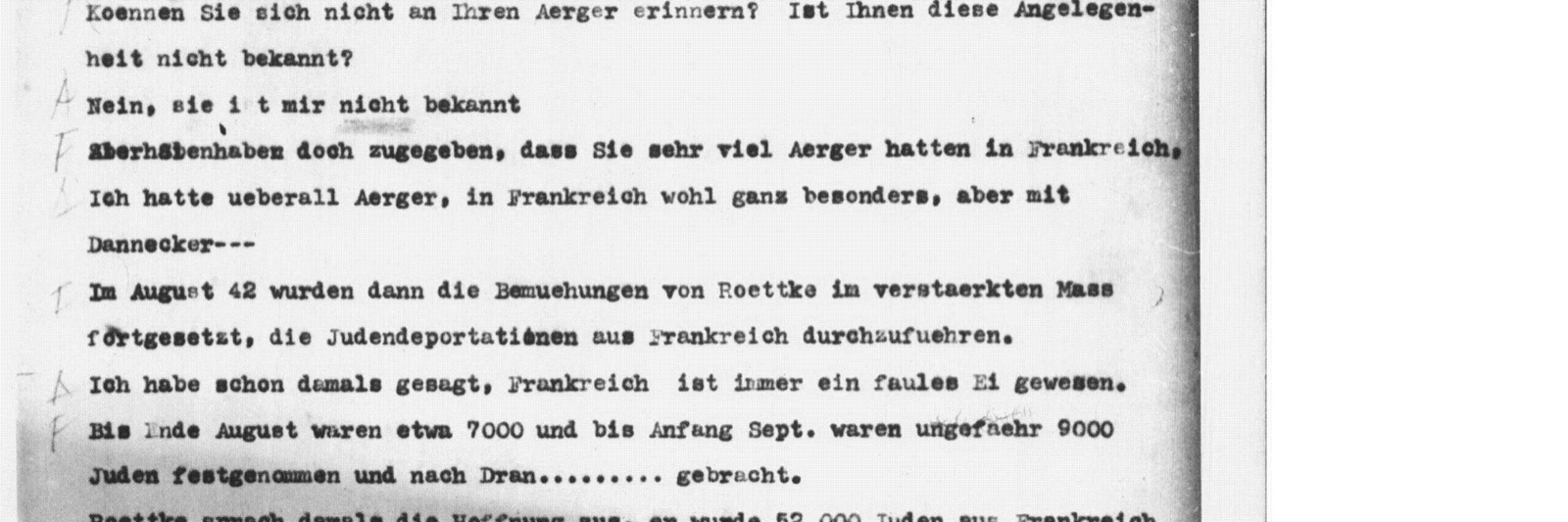
Sassen bought the tape recorder for the purpose from Pedro Pobierzym, who had smuggled it into Argentina from the United States. Tape was expensive and hard to get, so each reel was typed up quickly and then taped over. Three typists can be told apart by their machines. The first and last tapes were typed by people with office training, probably the publisher's secretaries. Most of the rest were typed by a man with a Nazi past who cut repetitions and added more than a hundred remarks of his own to "Comrade Sassen". Sassen's daughter remembers long nights typing onto fanfold paper that the family cut apart by hand.

Eichmann's changes in his own hand
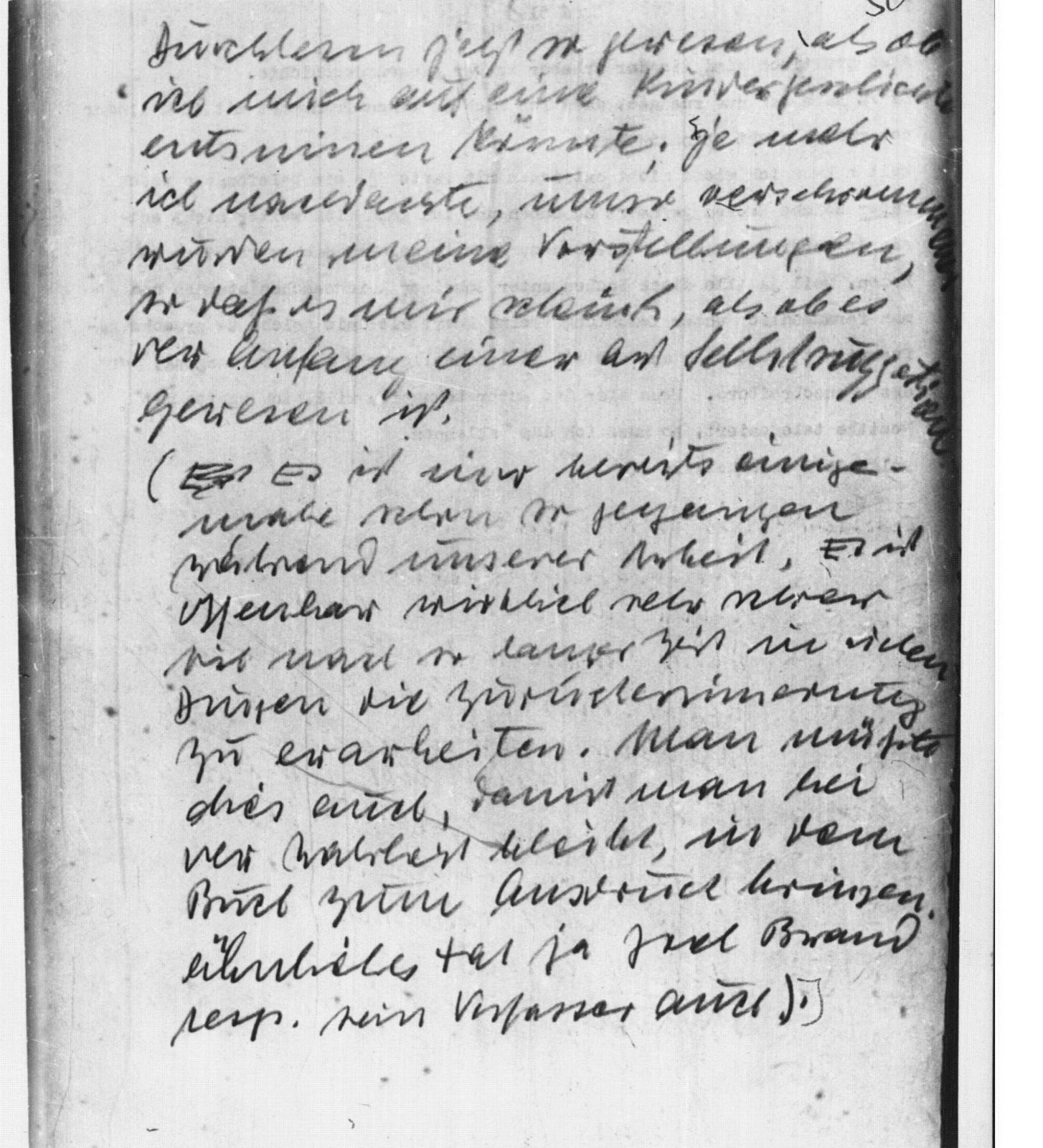
Eichmann read the typescript and corrected it in his own hand, down to the last tape. He completed words the typist missed, struck what he wanted unsaid, and once wrote beside a passage that it was said by Dr. Langer and not by him. On another sheet he wrote a page of his own about how memory failed him the harder he tried, and said the book ought to admit it.

What survives and where
There were more than seventy tapes. Around a thousand pages of transcript and twenty-nine hours of recordings survive, counting duplicates. The Israeli copy, which this site reproduces, contains transcripts of sixty-two tapes, with pages missing and Eichmann's handwriting on many sheets, 713 pages in all, divided in Israel into files. It reached Israel before the trial and is held as Israel State Archives 74/3156. The copy used here is the one at Yad Vashem, O.65, files 85 to 88. The fullest set, 835 pages plus 78 pages of Eichmann's notes, sits in the Bundesarchiv at Koblenz in the Eichmann estate, N 1497, together with the surviving tapes. Sassen sold a 600-page copy to Life in 1960, which printed extracts that November and December. After the abduction the material left Sassen's house in a hurry. Some of it was reportedly buried in a garden. Eichmann was seized outside his house on May 11, 1960, and flown to Israel ten days later.