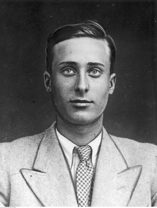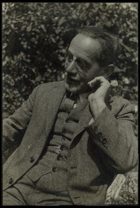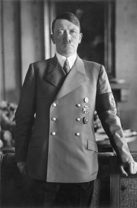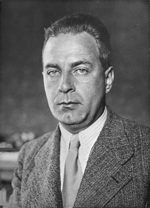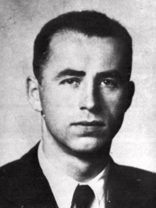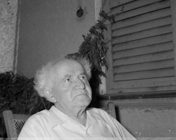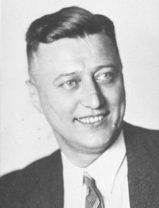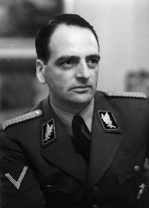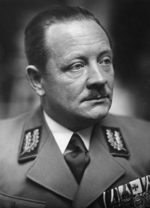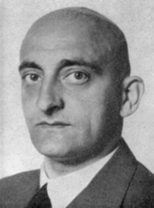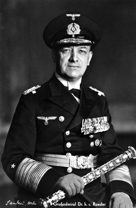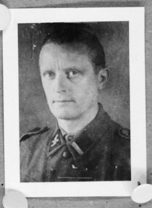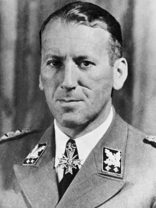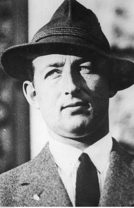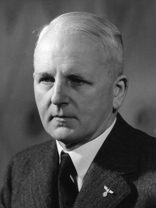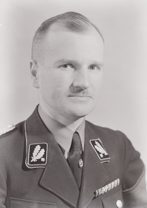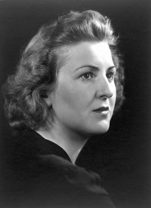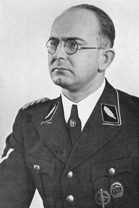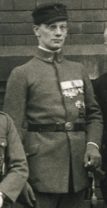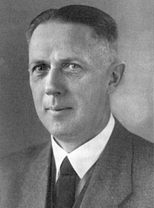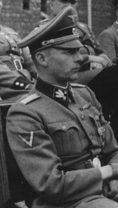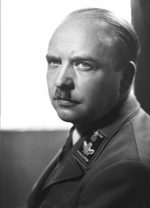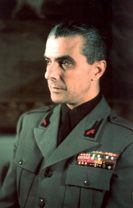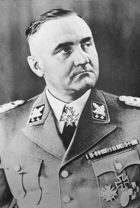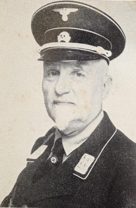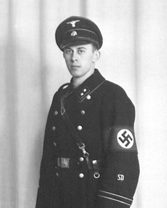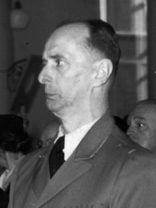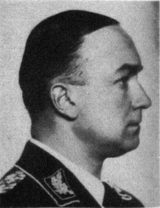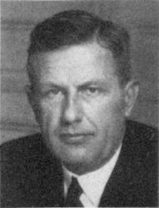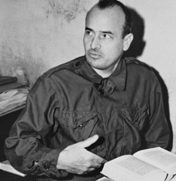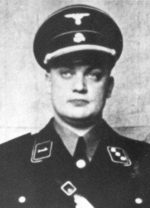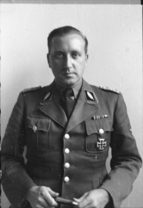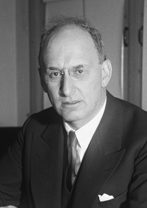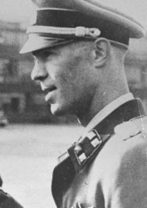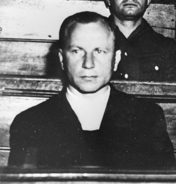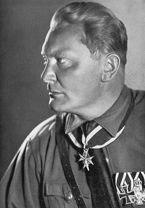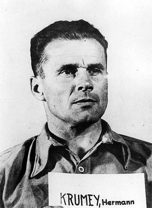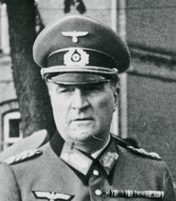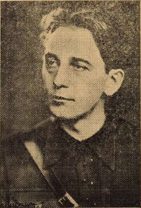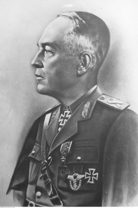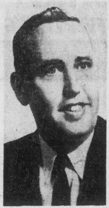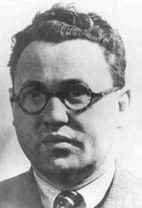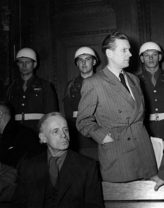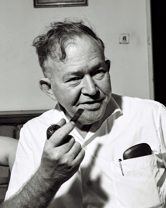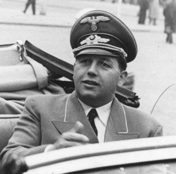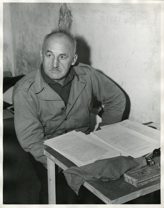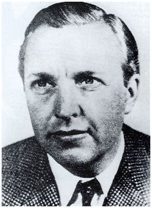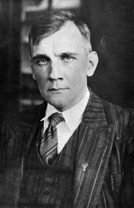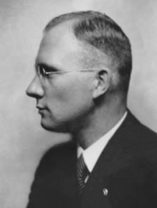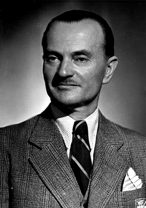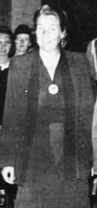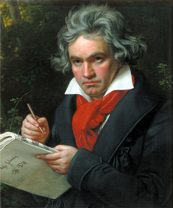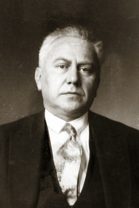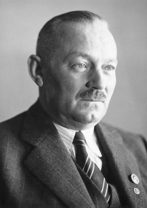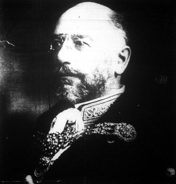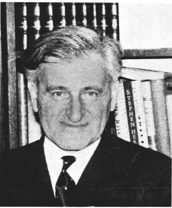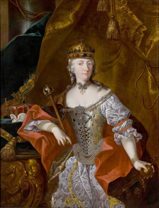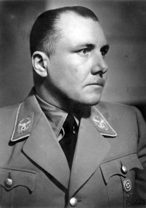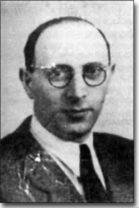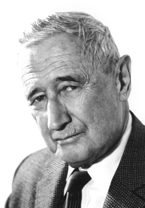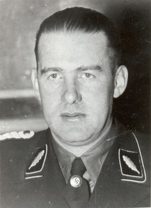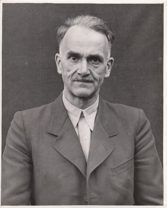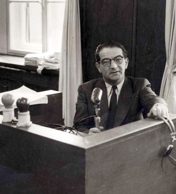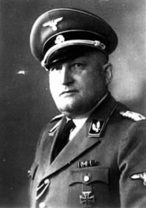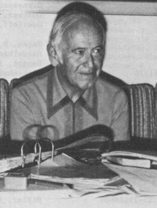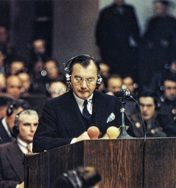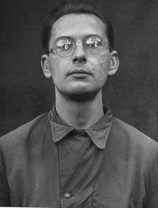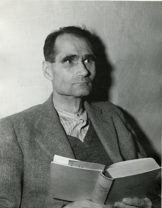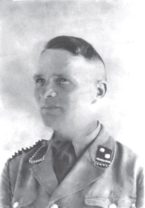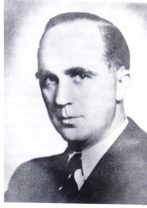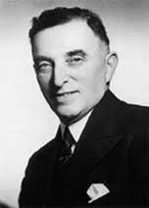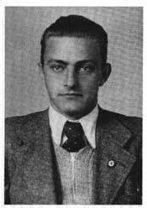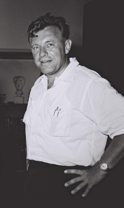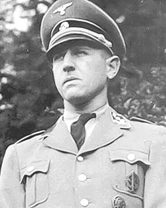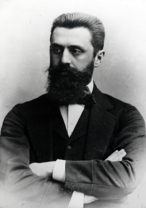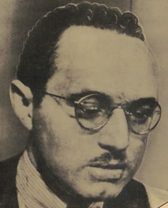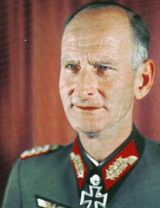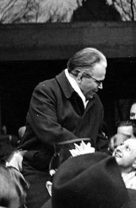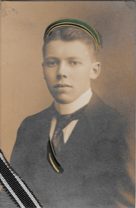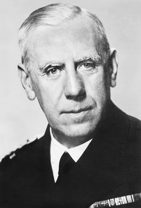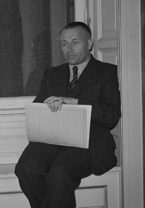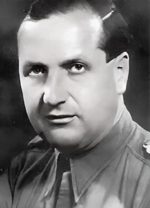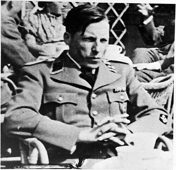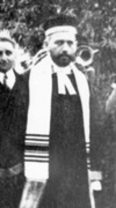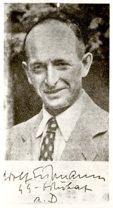
People in the interview

At the recordings

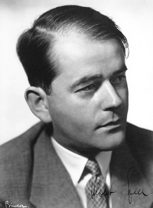
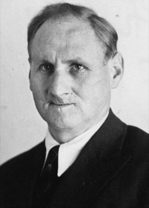
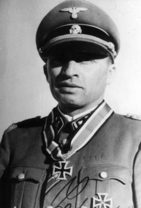
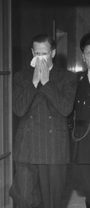
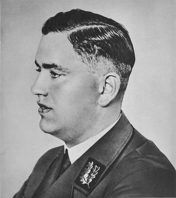
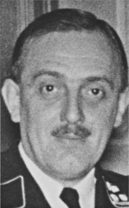
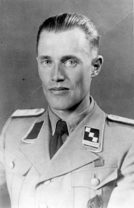
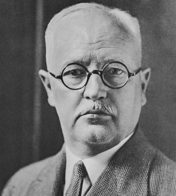
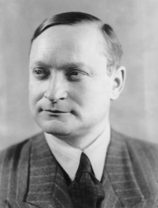
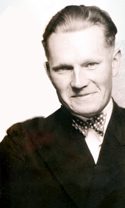
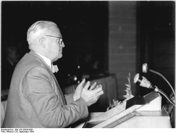
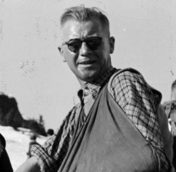
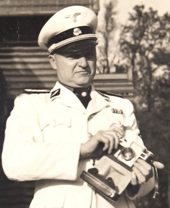
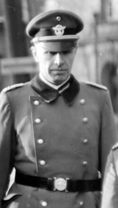
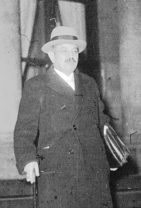
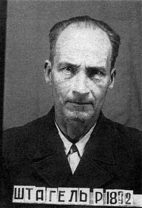
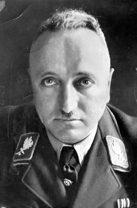
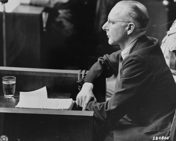
Adolf Eichmann in a dark suit.

Adolf Eichmann

The main speaker. He organized deportations of Jews for the SS.

Details and 141 pages

He fled to Argentina, was captured in 1960, and was executed in Israel in 1962. Source.

Pages 11, 18, 20, 23, 24, 26, 29, 34, 39, 40, 57, 58, 60, 62, 67, 69, 79, 86, 91, 92, 93, 102, 106, 109, 119, 121, 137, 140, 147, 158, 165, 167, 169, 171, 172, 175, 176, 183, 184, 188, 189, 193, 199, 203, 205, 207, 212, 214, 216, 221, 223, 226, 232, 233, 234, 264, 289, 291, 292, 293, 295, 303, 304, 305, 321, 330, 365, 373, 376, 378, 380, 387, 388, 390, 391, 392, 393, 394, 395, 396, 397, 398, 399, 400, 401, 402, 403, 405, 406, 411, 415, 432, 447, 453, 455, 464, 468, 470, 472, 476, 477, 478, 488, 495, 507, 517, 519, 521, 523, 526, 529, 533 to 534, 536, 557, 558, 592, 593, 597, 598, 607, 616, 619, 621, 628, 635, 646, 648, 650, 651, 652, 653, 654, 655, 656, 663, 664, 687, 702, 704, 713, 715
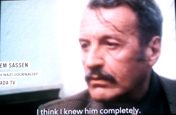
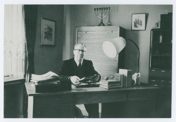
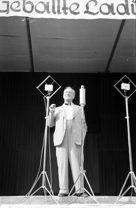
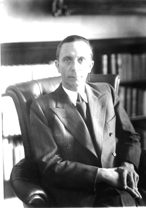
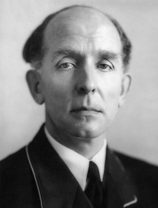
Willem Sassen speaking on television in 1978.

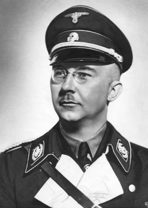
Willem Sassen

Dutch former SS journalist who hosted and recorded the talks.

Details and 6 pages

He kept working as a journalist after the war and died in 2002. Source.

Pages 72, 236, 244, 303, 551, 567

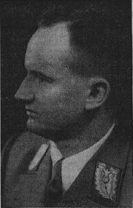
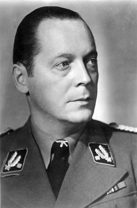
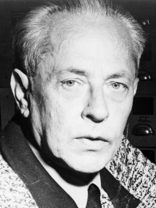
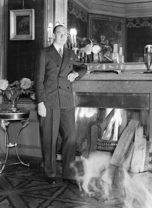
Eberhard Fritsch

Publisher who helped arrange the conversations.

Details

He published the pro-Nazi magazine Der Weg in Argentina and died in 1974. Source.

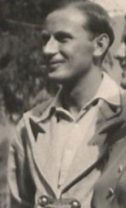
Known through the history of the recordings.

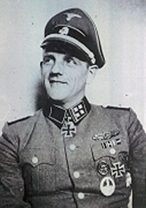
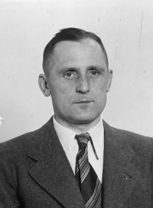
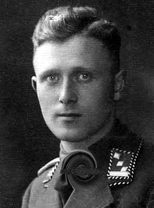
Young man in a light jacket smiling, photographed outdoors, cropped from a couple.

Dr. Langer

Researchers have identified this participant as Ernst Chlan, an Austrian SS officer who used the name Franz Langer.

Details and 5 pages

He worked as a travel guide after the war, including on Mallorca, and died in Innsbruck in 1992. Source.

Pages 301, 408, 482, 483, 672

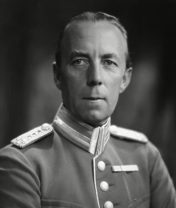
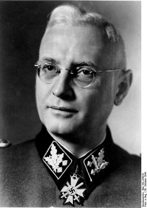
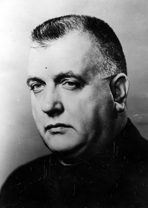
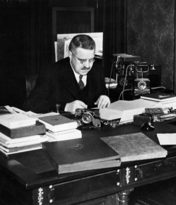
Ludolf von Alvensleben in a suit around 1930.

Ludolf von Alvensleben

Former SS leader who joined later sessions.

Details

He lived in Argentina and died there in 1970 without facing trial. Source.

Known through the history of the recordings.

People named in the conversation

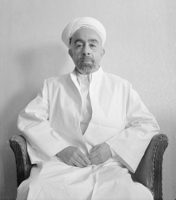
A seated half-length portrait of Emir Abdullah in a white robe and turban.

Abdullah I

Abdullah I, ruler of Transjordan during the war.

Details and 1 page

He became king of Jordan and was assassinated in Jerusalem in 1951. Source.

Page 13

Adolf Boehm in a 1930 portrait.

Adolf Boehm

Viennese Zionist writer whom Eichmann visited. His book was Die zionistische Bewegung; the transcript links his name to another title.

Details and 6 pages

The Nazis murdered him at Hartheim on 13 March 1941. A false death notice gave Chelm and 10 April instead. Source.

Pages 7, 14, 75, 231, 384, 388

Adolf Hoffmann

Likely the German police attache in Bulgaria who worked with Theodor Dannecker during the 1943 deportations.

Details and 1 page

He is reported to have died near Skopje during the German withdrawal from Bulgaria in 1944. Source.

Page 194

Albert Meyer

Likely the German ghetto-administration official in Litzmannstadt who headed goods disposal. The transcript says he was authorized to receive cash and valuables taken from Jews.

Details and 1 page

The documentary edition records that Meyer entered the German army in December 1943, was held by US forces at the end of the war, then worked as a sales representative in Bremen. He died in 1969. Source.

Page 345

Albert Speer in a 1933 portrait photograph.

Albert Speer

Albert Speer, Hitler's armaments minister.

Details and 1 page

He was sentenced to 20 years in prison at Nuremberg, released in 1966, and died in 1981. Source.

Page 363

Alex Weissberg in a 1946 passport photograph.

Alex Weissberg

Alexander Weissberg-Cybulski, writer who worked with Joel Brand on a 1956 account of Brand's negotiations.

Details and 2 pages

He also wrote about Soviet terror and died in Paris in 1964. Source.

Pages 207, 208

Black-and-white head-and-shoulders portrait of Alexander Mach in uniform.

Alexander Mach

Slovak interior minister.

Details and 9 pages

He was sentenced to 30 years in prison in 1947, released in 1968, and died in 1980. Source.

Pages 50, 77, 99, 100, 196, 197, 199, 215, 234

General Alexander von Falkenhausen writing at a desk.

Alexander von Falkenhausen

Alexander von Falkenhausen, military governor of occupied Belgium.

Details and 2 pages

A Belgian court sentenced him to twelve years of forced labor in 1951. He was released soon afterward. Source.

Pages 592, 593

Half-length press photograph of Alfred Frauenfeld in a suit and tie.

Alfred Eduard Frauenfeld

Former Nazi leader in Vienna and wartime administrator of occupied territory around Melitopol. Eichmann mentions him as an example of the conduct of occupation officials.

Details and 1 page

He survived the war and died in Hamburg in 1977. Source.

Page 568

Alfred Egger

Technical director of the Upper Austrian Elektro-Bau company in Linz. Eichmann calls him Engineer Eckar. A 1926 company listing names him beside commercial director Franz Linnemayr.

Details and 1 page

Page 257

Alfred Josef Slawik

An SS guard at the Budapest villa where Eichmann stayed. Eichmann says Slawik later accompanied him to Rettenbachalm.

Details and 3 pages

An Austrian court sentenced him to five years in prison in 1949 for his part in the persecution of Jews. Source.

Pages 135, 461, 462

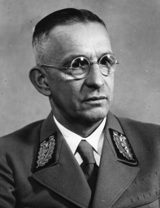
Portrait of Alfred Meyer in party uniform, wearing round glasses.

Alfred Meyer

Nazi official at the ministry for the occupied eastern territories and a participant in the Wannsee Conference.

Details and 2 pages

He died by suicide in May 1945. Source.

Pages 487, 493

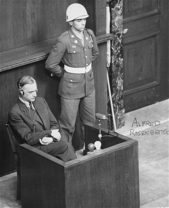
Alfred Rosenberg seated at the Nuremberg witness stand with a U.S. Army guard behind him.

Alfred Rosenberg

A leading Nazi ideologue and occupation official.

Details and 9 pages

He was convicted at Nuremberg and executed in 1946. Source.

Pages 242, 449, 568, 580, 584, 685, 686, 687, 690

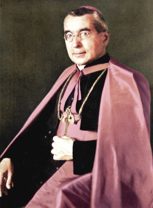
Colour portrait of Bishop Alois Hudal seated in a purple cape.

Alois Hudal

Austrian bishop and rector of the German church and priest college Santa Maria dell'Anima in Rome. The original typescript calls him Judall.

Details and 2 pages

After the war he helped Nazi fugitives, including Franz Stangl, leave Europe. He resigned as rector of Santa Maria dell'Anima in 1952 and died in 1963. Source.

Pages 605, 606

Alois Rothenberg

Head of the Vienna Palestine Office, which organized Jewish emigration to Palestine. The original typescript also calls him Rottenberg in four passages about his dealings with Jewish officials.

Details and 7 pages

He reached Palestine in March 1940. There he tried to help Josef and Sophie Loewenherz secure entry after the war. Source.

Pages 75, 87, 117, 369, 370, 372, 382

Aloisius Muench in a dark coat and hat at Bonn station in 1959.

Aloisius Muench

American bishop of Fargo, whom Eichmann describes as a frequent wartime visitor to his Berlin office. Muench was assigned to Germany in 1946, which conflicts with that part of Eichmann's account.

Details and 4 pages

He was appointed papal nuncio to Germany in 1951, became a cardinal in 1959, and died in 1962. Source.

Pages 97, 105, 218, 233

Andor Grosz

A Hungarian courier known as Bandi. He accompanied Joel Brand to Istanbul in 1944.

Details and 2 pages

He testified at a trial in Israel in 1954. Bauer later reported him living in southern Germany. Source.

Pages 74, 91

Andreas Bolek in SS uniform, looking left of camera.

Andreas Bolek

The Nazi Gauleiter in Upper Austria. Eichmann says he heard him speak in Linz and later reported to him in Passau.

Details and 3 pages

He became police president of Magdeburg and died there in May 1945. Source.

Pages 262, 263, 265

Black-and-white portrait of a young Anton Burger in SS uniform.

Anton Burger

Eichmann office member sent to Athens and formerly commandant of the Theresienstadt ghetto.

Details and 11 pages

He escaped custody after the war and lived under a false name until his death in Essen in 1991. Source.

Pages 47, 108, 125, 189, 200, 224 to 225, 311, 458, 459, 463, 609

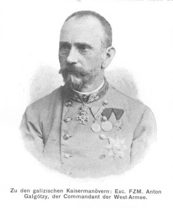
Anton Galgotzy, an elderly general in uniform.

Anton Galgótzy

Probably Anton Galgótzy (1837-1929), a senior Austro-Hungarian general famous for the barracks anecdotes told about him. Eichmann names an old field marshal 'Kallkotzy', the subject of many anecdotes, as the teacher of his friend's father.

Details and 1 page

Page 257

Arthur Liebehenschel in SS uniform, around 1940.

Arthur Liebehenschel

Commandant of Auschwitz I after Rudolf Hoess.

Details and 8 pages

A Polish court sentenced him to death in 1947. He was executed in 1948. Source.

Pages 128, 134, 209, 287, 288, 343, 476, 477

Arthur Nebe in SS uniform, 1942.

Arthur Nebe

Head of the German criminal police.

Details and 6 pages

The Nazi regime executed him in March 1945 after the failed plot against Hitler. Source.

Pages 60, 305, 353, 496, 497, 501

Arthur Scheidler

SS adjutant to Reinhard Heydrich and then Ernst Kaltenbrunner. The typescript also calls him Gscheitler.

Details and 5 pages

US soldiers captured him with Kaltenbrunner near Alt Aussee in May 1945. He died on July 15, 1957. Source.

Pages 454, 455, 500, 502, 672

Arthur Seyss-Inquart speaking outdoors in a 1940 photograph.

Arthur Seyss-Inquart

Reich commissioner in the occupied Netherlands. The original typescript breaks off his name as Seis… and discusses his dealings with Rauter and Dutch hostage arrests.

Details and 3 pages

He was convicted at the Nuremberg International Military Tribunal for crimes against peace, war crimes and crimes against humanity, and was executed in October 1946. Source.

Pages 613, 614, 615

August Dorotka von Ehrenwall

A retired Austrian major general who had commanded the Graz infantry regiment 27 in the First World War. He led the Upper Austrian branch of the German-Austrian Front Fighters until ill health made him step down in June 1928. Eichmann remembers him as the old general who first put a carbine in his hands at the Ebelsberg range.

Details and 3 pages

Pages 261, 262, 269

Portrait of August Hirt in a suit.

August Hirt

SS anatomist named in a discussion of a proposed collection of human skulls.

Details and 1 page

He killed himself in June 1945. Source.

Page 697

August Zehender in SS uniform and peaked cap, about 1943.

August Zehender

Commander of the 22nd SS Cavalry Division in Budapest. Eichmann calls him a friend in the transcript.

Details and 6 pages

He was killed during the attempted breakout from Budapest on February 11, 1945. Source.

Pages 166, 192, 447, 448, 470, 482

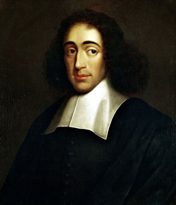
Painted portrait of Baruch Spinoza in dark clothing, around 1665.

Baruch Spinoza

Baruch Spinoza, a seventeenth-century philosopher.

Details and 1 page

He died in 1677, long before the war. Source.

Page 630

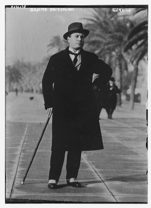
Benito Mussolini standing in a hat and dark coat, holding a cane, in a 1924 photograph.

Benito Mussolini

Italian fascist leader.

Details and 4 pages

Italian partisans captured and executed him in April 1945. Source.

Pages 12, 75, 399, 474

Identity-card photograph of Benjamin Murmelstein in a suit and patterned tie.

Benjamin Murmelstein

Jewish leader at Theresienstadt.

Details and 6 pages

He survived Theresienstadt, settled in Rome, and died in 1989. Source.

Pages 54, 117, 373, 576, 577, 578

Two identification views of Bernhard Krueger in postwar British custody.

Bernhard Krueger

SS officer who directed the forced counterfeit banknote operation at Sachsenhausen. The typescript names him in a question about Block 19.

Details and 1 page

Allied authorities detained him after the war. He later worked at the Hahnemuehle paper mill in Dassel and died in 1989. Source.

Page 691

Provost Bernhard Lichtenberg in a priest's cassock, hands clasped.

Bernhard Lichtenberg

Catholic provost of St. Hedwig Cathedral in Berlin who publicly prayed for persecuted Jews.

Details and 1 page

He died in November 1943 while being taken to Dachau after a prison sentence for his public opposition to Nazi persecution. Source.

Page 714

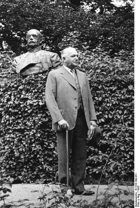
Berthold Storfer standing in a park with a walking stick, cropped to head and torso.

Berthold Storfer

A Viennese Jewish organizer involved in emigration work.

Details and 8 pages

He was deported to Auschwitz in 1943. The exact date of his death is unknown. Source.

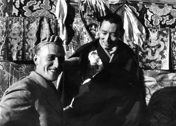
Bruno Beger at left, seated beside the regent of Tibet.

Bruno Beger

SS anthropologist named in the discussion of a collection of human skeletons made from murdered prisoners.

Details and 2 pages

A Frankfurt court convicted him in 1971 of aiding the murder of 86 people selected for an SS skeleton collection. He received a three-year sentence, which was counted as served, and died in 2009. Source.

Pages 694, 695

Bruno Blau

Jewish lawyer whose collection of anti-Jewish laws is discussed in the transcript.

Details and 6 pages

After the war he moved to the United States, returned to Germany in 1954, and died that year. Source.

Pages 360, 361, 363, 555, 578, 674

Photograph of Carl Oberg, bald, in a plain jacket.

Carl Oberg

Senior SS and police leader in occupied France.

Details and 8 pages

French courts sentenced him to death. His sentence was commuted, and he was released in 1962. Source.

Pages 50, 299, 303, 305, 306, 518, 520, 529

Carl-Heinz Rodenberg

SS psychiatrist whose surname the original typescript types as Rothenberg. The 1942 meeting list names Dr. Rodenberg from RSHA group III A. He had also evaluated patients for the Nazi killing program.

Details and 1 page

Postwar prosecutors investigated his part in the October 1942 meeting but brought no charges. He died in 1995. Source.

Page 704

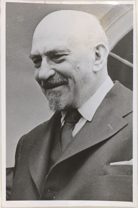
Chaim Weizmann smiling in a dark suit in 1949.

Chaim Weizmann

Zionist leader, whose name is misspelled in the original typescript.

Details and 6 pages

He became Israel's first president and died in 1952. Source.

Pages 5, 70, 74, 121, 185, 631

Black-and-white portrait of Charles C. Tansill in a tweed jacket and tie.

Charles Callan Tansill

American historian and Georgetown University professor named by Eichmann in a claim about the Treaty of Versailles. The transcript omits his surname.

Details and 1 page

He died in 1964. Source.

Page 117

Christian Weber in a portrait photograph.

Christian Weber

Early Nazi Party associate of Hitler, named in a discussion of Hitler's circle.

Details and 1 page

He died in May 1945. Source.

Page 560

Christian Wirth in a portrait reproduced on a Berlin memorial plaque.

Christian Wirth

A Criminal Police captain who later directed the Operation Reinhard killing centers. The transcript names him as an Order Police captain in Eichmann's account.

Details and 2 pages

He was killed near Trieste in 1944, before the war ended. Source.

Pages 446, 485

Black-and-white studio portrait of King Christian X of Denmark in uniform with medals, around 1915.

Christian X

Christian X of Denmark, named in a question about the Jewish star.

Details and 1 page

He remained king of Denmark until his death in 1947. Source.

Page 594

David Ben-Gurion seated for a 1964 portrait.

David Ben-Gurion

Israeli prime minister at the time of Eichmann's capture.

Details and 6 pages

He became Israel's first prime minister and died in 1973. Source.

Pages 120, 337, 338, 339, 340, 341

Portrait of Dieter Wisliceny in SS uniform, turned to the side.

Dieter Wisliceny

Eichmann's colleague in the SS deportation apparatus.

Details and 82 pages

He was executed in Bratislava in 1948 for his part in the deportations. Source.

Pages 14, 28, 29, 33, 34, 35, 47, 48, 49, 51, 55, 77, 78, 79, 82, 85, 88, 92, 99, 100, 103, 108, 109, 110, 119, 125, 126, 145, 157, 175, 188, 189, 193, 196, 198, 199, 200, 210, 211, 212, 215, 216, 218, 219, 220, 221, 222, 223, 224 to 225, 226, 227, 228, 232, 234, 235, 237, 274, 280, 289, 346, 349, 384, 397, 398, 399, 400, 402, 403, 404, 405, 411, 416, 452, 453, 461, 483, 519, 546, 655, 656, 664, 713

Dora Debora Benies

Dora Debora Benies was also recorded as Dorothea Henrietta von Haymerle. She was a daughter of sugar producer Jindrich Benies and married Friedrich von Haymerle in 1909. Eichmann calls her Aunt Dor while describing their daughter.

Details and 1 page

A 2010 history records her later remarriage under the name Segur. Her fate after 1945 hasn't yet been verified. Source.

Page 708

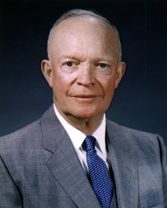
Dwight D. Eisenhower in a 1959 White House portrait.

Dwight Eisenhower

Allied commander and later US president.

Details and 4 pages

He served as United States president from 1953 to 1961 and died in 1969. Source.

Pages 23, 455, 464, 468

Smiling portrait of Eberhard Schoengarth in a suit.

Eberhard Schoengarth

Eberhard Schoengarth, SS security commander in occupied Poland and a participant in the Wannsee Conference.

Details and 1 page

A British military court sentenced him to death, and he was executed in 1946. Source.

Page 488

Eberhard von Thadden

Foreign Office official involved in Jewish affairs.

Details and 16 pages

He was interned until 1948, then worked in business. A new criminal investigation ended after his death in 1964. Source.

Pages 15, 16, 48, 137, 138, 190, 191, 272, 275, 291, 294, 295, 536, 635, 689, 703

Portrait of Edmund Veesenmayer in SS uniform.

Edmund Veesenmayer

The German Reich plenipotentiary in occupied Hungary. The original typescript calls him Fesemeier.

Details and 8 pages

A US military tribunal sentenced him to twenty years in prison. He was pardoned in December 1951 and died in 1977. Source.

Pages 66, 123, 170, 171, 172, 195, 352, 557

Eggert Reeder

Head of the German military administration in occupied Belgium.

Details and 3 pages

A Belgian court sentenced him to twelve years in prison in 1951. He was released that year and died in 1959. Source.

Pages 592, 593, 594

Emil Kafka

Former chairman of the Jewish community in Prague. The transcript names his role in a question to Eichmann about Jewish emigration.

Details and 1 page

He died in 1948. Source.

Page 647

Emil Maurice in a portrait photograph.

Emil Maurice

An early Nazi Party and SS member who worked closely with Hitler. The original typescript writes Moris and then Mauris.

Details and 1 page

He survived the war and died in 1972. Source.

Page 499

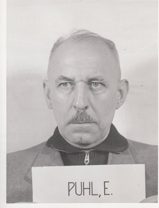
Emil Puhl in a postwar identification photograph.

Emil Puhl

Vice president of the Reichsbank, named in a question about gold taken from victims.

Details and 1 page

A US military tribunal sentenced him to five years in prison in 1949 for his role in handling property taken from murdered Jews. Source.

Page 347

Emil Samuel von Sommer

Jewish Austrian major general imprisoned at Theresienstadt. The transcript names him in its account of the ghetto.

Details and 2 pages

He and his wife survived Theresienstadt and returned to Vienna in 1945. He died while visiting his daughter in the United States in 1947. Source.

Pages 373, 407

Erhard Milch in uniform in 1944.

Erhard Milch

Luftwaffe field marshal named in the discussion of medical experiments.

Details and 1 page

A US military tribunal convicted him after the war. He was released from prison in 1954 and died in 1972. Source.

Page 711

Erhard Wetzel

Nazi racial-policy official in the ministry for the occupied eastern territories.

Details and 2 pages

A court in East Germany sentenced him to 25 years in prison in 1950. He was released in 1955, moved to West Germany, and died in 1975. Source.

Pages 291, 644

Erich Hippke testifying in 1947.

Erich Hippke

Former chief of the Luftwaffe medical service, named in a question about experiments.

Details and 1 page

He testified at the 1947 Milch trial and died in 1969. Source.

Page 711

Erich Klausnitzer

Probably Erich Klausnitzer, a Prague-based military counter-intelligence captain. Joel Brand wrote that Wisliceny came to their first Budapest meeting accompanied by a Captain Klausnitzer, and the April 5, 1944 talks took place in his requisitioned flat. The questioner asks about him by the name Klaus Mietzer; Eichmann does not answer.

Details and 1 page

Page 88

Erich Koch in uniform.

Erich Koch

Nazi official who headed the German occupation administration in Ukraine.

Details and 1 page

Poland sentenced him to death in 1959. He remained in prison and died there in 1986. Source.

Page 568

Close portrait of the bald Erich Neumann in a high collar.

Erich Neumann

State secretary in the office responsible for the Four Year Plan. The Wannsee participant list identifies him by that office.

Details and 1 page

He was interned in 1945, released because of illness in 1948, and died in 1951. Source.

Page 487

Erich Raeder in uniform.

Erich Raeder

German navy commander; the original typescript spells his surname Reeder.

Details and 1 page

A Nuremberg court sentenced him to life imprisonment. He was released in 1955 and died in 1960. Source.

Page 562

Erich Rajakowitsch in a named portrait shown in a 1963 photograph.

Erich Rajakowitsch

Eichmann's legal aide in Vienna and Prague. He later helped set up the Amsterdam Jewish emigration office and served in the Netherlands deportation apparatus. The original typescript types Jakowitsch; Page 275 has a handwritten Ra at the name.

Details and 3 pages

A Vienna court sentenced him to two and a half years in 1965 on a property damage charge. Released in 1966, he wasn't extradited to the Netherlands and died in Graz in 1988. Source.

Pages 275, 314, 316

Ernestine Heydrich

Heydrich's paternal grandmother. Wilhelm Hoettl's 1950 book claimed she was a Jewish 'Sarah Heydrich' buried in Leipzig, and the questioner reads the claim out. She was in fact Ernestine Wilhelmine Heydrich, a Lutheran from Saxony. The rumor grew from her second marriage to a locksmith named Gustav Robert Suess, whose surname sounded Jewish.

Details and 4 pages

She died in Meissen in 1923 and was buried there.

Pages 499, 500, 670, 671

Ernst Moes

Police chief inspector in Eichmann's department. Eichmann says Moes and Fritz Woehrn divided the racial-law cases between them and drafted the orders sending the accused to Dachau. Moes also handled cases of prominent Jews, and in 1943 he announced Jakob Edelstein's demotion at Theresienstadt.

Details and 2 pages

He was later declared dead as of 1945.

Pages 413, 248

Ernst Ruediger Starhemberg in a hat, about 1930 to 1932.

Ernst Ruediger Starhemberg

Leader of the Austrian Heimwehr movement discussed in the interview.

Details and 1 page

He lived in exile in South America, returned to Austria in 1955, and died there in 1956. Source.

Page 610

Ernst von Weizsaecker in a 1938 portrait photograph.

Ernst von Weizsaecker

State secretary in the German Foreign Office.

Details and 6 pages

A Nuremberg court sentenced him to seven years in prison in 1949. He was released in 1950 and died in 1951. Source.

Pages 304, 601, 602, 604, 605, 606

Ernst Zerrer

The Stuttgart Gestapo officer who questioned Kurt Gerstein in 1938. The questioner calls him Criminal Police Secretary Zerrer while reading Gerstein's account of joining the SS.

Details and 1 page

Page 483

Portrait of Ernst-Robert Grawitz in SS uniform.

Ernst-Robert Grawitz

Chief SS doctor named in the discussion of medical experiments.

Details and 1 page

He died in 1945. Source.

Page 711

Erwin Weinmann

Commander of the Security Police and SD in Prague from 1942. The original typescript prints his surname as Weimann in these police-command passages.

Details and 2 pages

He disappeared in May 1945. A Reutlingen court declared him dead in 1949, though his death remained disputed. Source.

Pages 287, 378

Black-and-white portrait of Eva Braun.

Eva Braun

Hitler's longtime companion, whom he married shortly before their deaths.

Details and 2 pages

She died by suicide with Hitler in Berlin in April 1945. Source.

Pages 499, 673

Felix Reisegger

A retired military engineering officer who had taught at the army's Pioneer Cadet School at Hainburg and lived in Linz. He appeared with General Dorotka von Ehrenwall at a 1930 Front Fighters memorial. Eichmann remembers him as the kindly lieutenant colonel who let the young members call him Du.

Details and 2 pages

Pages 268, 269

Ferdinand Hugo aus der Fuenten covering his face at court in 1950.

Ferdinand Hugo aus der Fuenten

SS officer who worked under Wilhelm Zoepf in the Netherlands. The original typescript calls him aus der Fuenden.

Details and 3 pages

A Dutch court sentenced him to death; the sentence was commuted to life imprisonment. He was released in 1989 and died that year. Source.

Pages 608, 609, 616

Ferdinand Karigl

Dr. Ferdinand Karigl taught modern languages at the Linz Realschule for decades. In 1932-33 he taught French and English there and ran the teachers' library. Eichmann names him, spelled Karriegel, among the teachers he says he gave a hard time.

Details and 1 page

Page 253

Folke Bernadotte in Swedish military uniform in a 1942 portrait.

Folke Bernadotte

Swedish diplomat who negotiated prisoner releases.

Details and 6 pages

He became a United Nations mediator in Palestine and was murdered in Jerusalem in 1948. Source.

Pages 23, 24, 154, 168, 175, 213

Frantisek Weidmann

Lawyer and head of the Prague Jewish community under Nazi rule. The original typescript prints his surname as Weimann and pairs him with Jakob Edelstein.

Details and 4 pages

He was deported from Theresienstadt to Auschwitz on October 28, 1944, and was killed there on October 30. Source.

Pages 117, 366, 373, 646

Franz Alfred Six in uniform.

Franz Alfred Six

Former head of the Reich Security Main Office branch that studied ideological enemies and one of Eichmann's superiors.

Details and 17 pages

A Nuremberg court sentenced him to twenty years in prison. He was released in 1952 and later owned a publishing firm. Source.

Pages 11, 12, 53, 226, 242, 243, 244, 250, 252, 300, 367, 371, 380, 384, 386, 416, 417

Franz Hofer in a portrait from about 1939.

Franz Hofer

Nazi Party leader in Tyrol.

Details and 1 page

US forces arrested him in 1945. He escaped internment in 1948, later lived as a free man, and died in 1975. Source.

Page 25

Close portrait of Franz Josef Huber with a moustache, in uniform collar.

Franz Josef Huber

Chief of the Vienna Gestapo from 1938 to 1944. The typescript calls him Hans Huber, but its rank and office identify Franz Josef Huber.

Details and 1 page

After US detention, he supplied information to the Gehlen Organization and worked for West German intelligence from 1957 to 1965. He died in 1975. Source.

Page 106

Franz Joseph I of Austria in 1915.

Franz Joseph I

Emperor of Austria and king of Hungary. Eichmann refers to him as the old emperor while describing the earlier career of a relative.

Details and 1 page

He died in Vienna in 1916, before the events discussed in the interview. Source.

Page 707

Early portrait photograph of Franz Lehar in a waistcoat.

Franz Lehar

Composer of operettas.

Details and 1 page

He survived the war and died in 1948. Source.

Page 685

Franz Linnemayr

Commercial director of the Upper Austrian Elektro-Bau company in Linz. Eichmann calls him Director Linnemeier. A 1926 company listing names him beside technical director Alfred Egger.

Details and 1 page

A 1951 business calendar lists him on the board of the Steyr electricity works and calls him a retired director of Elektrobau AG in Linz. Source.

Page 257

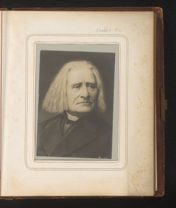
Franz Liszt seated for a late-life portrait photograph.

Franz Liszt

Nineteenth-century composer and pianist.

Details and 1 page

He died in 1886, long before the war. Source.

Page 685

Elderly Franz Rademacher in a suit, speaking.

Franz Rademacher

Foreign Office official involved in anti-Jewish policy.

Details and 14 pages

Convicted in West Germany, he fled to Syria, returned in 1966, and faced another trial and appeal before his death in 1973. Source.

Pages 138, 140, 199, 276, 291, 294, 303, 304, 305, 592, 594, 616, 689, 702

Franz Reichert

German News Bureau correspondent in Jerusalem who helped Eichmann and Herbert Hagen during their 1937 trip to Palestine and Egypt. The Page 13 sheet spells his name Reichardt; Page 652 spells it Reichert.

Details and 2 pages

He had died by January 1943, reportedly in a rail accident in Turkey. Source.

Pages 13, 652

Franz Resl

Linz writer and performer whom Eichmann calls Franz Reserl. The city biography identifies him as Franz Resl and documents his Nazi Party membership and antisemitic propaganda.

Details and 1 page

He was interned at Glasenbach after the war. His work ban was lifted in 1948, and he died in Linz on January 6, 1954. Source.

Page 264

Franz Stelzhamer seated in profile in an 1870 photograph.

Franz Stelzhamer

Franz Stelzhamer was an Austrian dialect poet. Eichmann recalls mistaking his monument in Linz's Volksgarten for Moses as a child; the original typescript spells his name Stelshammer.

Details and 1 page

He died in 1874, before the events discussed in the interview. Source.

Page 253

Franz Xaver Schwarz in a 1939 portrait.

Franz Xaver Schwarz

Treasurer of the Nazi Party. Eichmann refers to the Reich Treasurer Schwarz while explaining the Party financial chain of command.

Details and 2 pages

US forces interned him after the war. He died in a camp near Regensburg on December 2, 1947. Source.

Pages 306, 307

Friedrich Bosshammer seated at a desk in a 1944 photograph.

Friedrich Bosshammer

Eichmann's officer in Italy.

Details and 7 pages

A West Berlin court sentenced him to life imprisonment in 1972 for the murder of Jews deported from Italy. Source.

Pages 400, 402, 421, 452, 605, 610, 614

Friedrich Gottlob Schmidt

Nazi Party training official from Munich. Eichmann describes a wartime torchlight procession he wanted to stage with Alfred Eduard Frauenfeld near the eastern front.

Details and 1 page

He survived the war and died in 1973. Source.

Page 568

Friedrich Kraus

Friedrich (Fritz) Kraus, an SS officer who managed a fund tied to the forced emigration of Austrian Jews and became director of the former Gerngross store. Eichmann describes the director as Kraus's father-in-law; two historical studies identify Kraus himself.

Details and 1 page

A Vienna court sentenced him to 18 months in prison in 1948. He later directed the Steffl department store in Vienna. Source.

Page 316

Friedrich Rainer in a dark jacket, seen in profile.

Friedrich Rainer

The Nazi Gauleiter of Salzburg and then Carinthia. Eichmann and the questioner call him Reiner while trying to recall which Austrian region he governed.

Details and 1 page

British troops arrested him in 1945. A Yugoslav court sentenced him to death in 1947. The official execution date is August 1947, but Slovenian archive records suggest November 1950. Source.

Page 59

Young man in SS uniform with a peaked cap, looking up and to the side.

Friedrich Suhr

A lawyer in Eichmann’s section. The original typescript writes Surr, but a handwritten correction on Page 421 reads Suhr and says he was later sent to a Security Police post in France.

Details and 7 pages

He died by suicide in prison in 1946. Source.

Pages 246, 247, 248, 250, 421, 614, 704

Friedrich von Haymerle

Olga and Franz Josef's son. He married Dora Benies in 1909. Eichmann says he helped their daughter travel to Switzerland during the war.

Details and 2 pages

He lived after the war and died in 1969. Source.

Pages 707, 709

Friedrich Weber in uniform after the 1924 Hitler-Ludendorff trial.

Friedrich Weber

Veterinarian and leader of Bund Oberland during the 1923 putsch. He later headed the Nazi veterinary profession. The transcript lists his name among keywords for Hitler's Munich circle.

Details and 1 page

He was interned after the war and died in 1955. Source.

Page 560

Black-and-white portrait of Friedrich Wilhelm Kritzinger in a suit.

Friedrich Wilhelm Kritzinger

Friedrich Wilhelm Kritzinger, a Reich Chancellery official who attended the Wannsee Conference.

Details and 1 page

He was held after the war, released because of illness, and died in 1947. Source.

Page 488

Friedrich-Wilhelm Krueger in SS uniform in 1940.

Friedrich-Wilhelm Krueger

Higher SS and Police Leader in the General Government, occupied Poland. The typescript identifies him by that office.

Details and 2 pages

He died in 1945. Source.

Pages 390, 584

Fritz Katzmann

SS and police chief in occupied Galicia. The transcript cites his report on the murder and deportation of Jews there.

Details and 1 page

He hid in West Germany under the name Bruno Albrecht and died in 1957 without facing trial. Source.

Page 640

Portrait photograph of Fritz Schmidt, the Nazi commissioner in occupied Holland, around 1940.

Fritz Schmidt

Nazi Party official in occupied Holland and a representative of the Party Chancellery. The questioner asks Eichmann about his dealings with Schmidt; Eichmann recalls little of them.

Details and 1 page

He died in France on June 26, 1943. Source.

Page 614

Fritz von Schmidt

A son of Field Marshal Lieutenant Bruno von Schmidt, who commanded the Landwehr brigade in Linz and died there in 1919. Eichmann says Fritz brought him into the German-Austrian Front Fighters and paid for their cinema and café outings for years. In 1943 he was serving as a first lieutenant; his elder brother Adalbert had become a major general.

Details and 4 pages

Pages 257, 262, 266, 270

Fritz Woehrn

Administrative officer in Eichmann's Jewish affairs office. Eichmann says Woern and Ernst Moes divided racial-law cases by the first letter of the person's name and prepared instructions sending Jews to Dachau.

Details and 1 page

He was arrested in 1967 and sentenced to 12 years in prison at a 1971 retrial. He died in 1979. Source.

Page 413

Fritz Wolf

Reichsbank councillor at the Reich Economics Ministry who negotiated the use of foreign funds for Jewish emigration from Vienna in 1938. Eichmann places him at the Vienna foreign-exchange office; a study of the talks names Raffegerst as that office’s head.

Details and 2 pages

Pages 414, 415

Black-and-white portrait of Georg Leibbrandt in a suit and tie.

Georg Leibbrandt

Georg Leibbrandt, an official in the ministry for occupied eastern territories who attended the Wannsee Conference. His name is misspelled in the original typescript.

Details and 1 page

He was released from internment in 1949. Later investigations ended without charges, and he died in 1982. Source.

Page 487

Georges Dunand

International Committee of the Red Cross delegate in Slovakia in 1944 and 1945. The original typescript calls him George Dunant.

Details and 1 page

He led the International Committee of the Red Cross delegation in Czechoslovakia after the war, then worked at its Geneva headquarters. He returned to the International Labour Office in 1949. Source.

Page 234

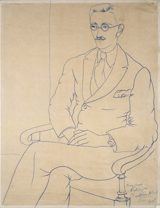
Line drawing of Gerald Reitlinger seated in an armchair, wearing glasses.

Gerald Reitlinger

Author of an early history of the Holocaust whose figures are debated in the interview.

Details and 1 page

He wrote histories of the Holocaust and later donated his art collection to the Ashmolean Museum. He died in 1978. Source.

Page 621

Gerhard Clages

Gerhard Clages was a German security officer in Budapest. The original typescript calls him Klages. On Page 88, Klawitz is typed and crossed out, with Klages written above it. Eichmann says he investigated a military intelligence office there.

Details and 5 pages

He was killed in Budapest on October 15, 1944. Source.

Pages 76, 88, 95, 168, 212

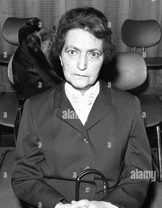
Black-and-white photo of Gertrud Slottke seated in a courtroom with her hands folded over a handbag.

Gertrud Slottke

Gertrud Slottke worked for Wilhelm Zoepf in the Jewish affairs office in The Hague. The questioner calls her his secretary while discussing lists of Jews with British citizenship.

Details and 2 pages

After the war she worked as a secretary in Stuttgart. A Munich court sentenced her to five years in prison in 1967 for her part in deporting Jews from the Netherlands. She died in Stuttgart in 1971. Source.

Pages 633, 634

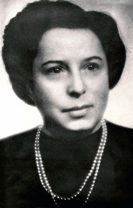
Gisi Fleischmann in a dark dress and pearl necklace.

Gisi Fleischmann

A Slovak Jewish rescue organizer who negotiated with Dieter Wisliceny.

Details and 3 pages

The SS deported her to Auschwitz in October 1944, where she was murdered. Source.

Pages 77, 210, 221

Colour photograph of Giuseppe Bastianini in uniform, seen in profile.

Giuseppe Bastianini

Italy's undersecretary for foreign affairs. The original typescript calls him Bastanini and incorrectly gives him the title general.

Details and 1 page

A special court in Rome acquitted him in 1947. He later wrote a memoir and died in 1961. Source.

Page 533 to 534

Gottlob Berger in uniform in a 1944 portrait photograph.

Gottlob Berger

Head of the SS Main Office.

Details and 5 pages

A Nuremberg court sentenced him to 25 years in prison in 1949. His sentence was reduced, and he was released in 1951. Source.

Pages 231, 232, 233, 250, 598

Elderly Gregor Schwartz-Bostunitsch in SS uniform and cap.

Gregor Schwartz-Bostunitsch

Russian-born SS propagandist who lectured on Freemasonry and antisemitic conspiracy theories. Eichmann calls Professor Schwarz-Bostunitsch an early teacher and supervisor.

Details and 3 pages

Pages 18, 27, 108

Guenther Stier

SS officer at the Reich Commissioner for the Strengthening of Germandom. The transcript wrongly places him under Bilfinger in RSHA II A; the 1942 meeting list gives those as separate attendees.

Details and 1 page

He testified at the Nuremberg RuSHA trial in December 1947. Source.

Page 704

Young Gustav Richter in SD uniform and greatcoat, cropped to head and torso.

Gustav Richter

SS officer assigned by Eichmann to advise the German embassy in Bucharest on the persecution and deportation of Romanian Jews. The typescript calls him Hauptsturmfuehrer Richter.

Details and 18 pages

He spent ten years in Soviet custody after the war. A West German court later sentenced him to four years in prison for planning the deportation of Romanian Jews. Source.

Pages 47, 48, 49, 102, 103, 108, 145, 146, 152, 153, 224 to 225, 291, 294, 314, 395, 398, 453, 461

Hanns Albin Rauter at The Hague in April 1948.

Hanns Albin Rauter

Senior SS and police leader in the Netherlands.

Details and 8 pages

A Dutch court sentenced him to death. He was executed in 1949. Source.

Pages 573, 610, 611, 612, 614, 615, 616, 622

Profile portrait of Hanns Ludin in uniform.

Hanns Ludin

German envoy to Slovakia.

Details and 5 pages

A Czechoslovak court sentenced him to death, and he was executed in 1947. Source.

Pages 49, 77, 196, 199, 234

Hans Commenda

Hans Commenda taught at the Linz State Realschule from 1919 to 1936. Eichmann names him among the teachers he troubled; the original typescript types his surname as Kommenta.

Details and 1 page

After the war he served as Upper Austria's adult education officer, retired in the mid-1950s, and died in Linz in 1971. Source.

Page 253

Grainy portrait of Hans Fischboeck in a suit and tie.

Hans Fischboeck

Hans Fischboeck, the economics minister under German occupation in the Netherlands.

Details and 3 pages

He fled to Argentina after the war, later returned to West Germany, and died in 1967. Source.

Pages 608, 613, 614

Hans Frank seated in his Nuremberg prison cell in November 1945.

Hans Frank

Governor General of German-occupied Poland.

Details and 1 page

He was convicted at Nuremberg and executed in 1946. Source.

Page 189

Hans Georg Calmeyer in a bow tie, smiling.

Hans Georg Calmeyer

A lawyer in the German occupation administration in the Netherlands who handled petitions about Jewish ancestry, including those of Portuguese Jews. The questioner calls him Dr. Nalmeier and attributes a proposed separate internment to him. Presser's documentary history records temporary protections for that group and names Seyss-Inquart as the official who decided on a proposed camp transfer.

Details and 1 page

He was held in Scheveningen after the war, returned to Osnabruck in 1946, resumed work as a lawyer and notary, and died there in 1972. Source.

Page 624

Hans Günther

Head of the Central Office for Jewish Emigration in Prague from 1939 to 1945 and the brother of Eichmann's deputy Rolf Günther. Eichmann blames him for sending Paul Eppstein to his death.

Details and 6 pages

He died of wounds on May 5, 1945, after Czech partisans stopped his convoy near Beroun during the Prague uprising. Source.

Pages 287, 317, 373, 378, 387, 487

Hans Hinkel in SS uniform, 1939.

Hans Hinkel

Nazi Reich cultural administrator who controlled Jewish cultural activities. The transcript names his office and his book Einer unter Hunderttausend.

Details and 5 pages

After the war he was held in Poland, returned to West Germany by 1952, and died in 1960. Source.

Pages 417, 418, 685, 687, 688

Hans Juettner in SS uniform and glasses in a 1944 portrait.

Hans Juettner

SS general and head of the SS Leadership Main Office. The interview names him during the 1944 Budapest death marches and also prints his surname as Huettner.

Details and 4 pages

He was interned after the war. A 1949 appeal counted his four-year labor camp sentence as served. He died in 1965. Source.

Pages 66, 67, 68, 177

Hans Max Hirschfeld in a 1949 photograph.

Hans Max Hirschfeld

Senior Dutch economic official during the German occupation.

Details and 1 page

He directed the Dutch economic and military aid program from 1947 to 1952 and died in 1961. Source.

Page 53

Hans Moser on stage in 1942.

Hans Moser

Austrian actor named in Eichmann's account of a visit to Karl Ebner in Vienna. A handwritten note on the sheet says the Moser story is missing.

Details and 1 page

He resumed stage and film work after the war and died in Vienna in 1964. Source.

Page 106

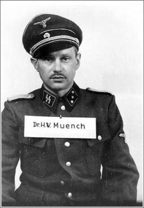
Hans Muench in SS uniform and cap, holding a placard reading Dr. H.W. Muench.

Hans Muench

SS doctor at the Auschwitz Hygiene Institute. A questioner names an SS Untersturmfuehrer Muench while reading an account of the camp; Eichmann says he did not know him.

Details and 1 page

A Polish court acquitted him at the 1947 Auschwitz staff trial after prisoners testified that he had helped them. He died in 2001. Source.

Page 675

Hans Richter

SS official who directed the Freemason museum in Berlin. Eichmann describes bringing his collection of Masonic seals to the museum director.

Details and 1 page

Page 412

Hans-Hendrik Neumann

SS officer and adjutant to Reinhard Heydrich. The passages identify him as Heydrich’s adjutant and Gscheidler’s successor.

Details and 3 pages

He joined Philips in 1949 and became managing director of Valvo in 1957. Source.

Pages 502, 672, 673

Hans-Ulrich Geschke in SS uniform.

Hans-Ulrich Geschke

Commander of the German Security Police and SD in occupied Hungary.

Details and 7 pages

He vanished in 1945 and was later declared dead. The circumstances of his death remain unknown. Source.

Pages 69, 76, 88, 94, 172, 228, 470

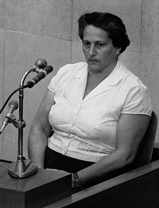
Hansi Brand seated at a microphone in the witness box, wearing a white blouse.

Hansi Brand

Joel Brand's wife, named in the account of the 1944 negotiations in Hungary.

Details and 4 pages

She moved to Israel after the war, helped orphans and immigrants, and died in 2000. Source.

Pages 88, 157, 158, 213

Heinrich Grueber speaking at a lectern in 1954.

Heinrich Grueber

Berlin pastor who ran a church office helping people persecuted as Jews. Eichmann calls him Pastor Krueger and says he later became provost in Berlin. Eichmann also claims he stayed in a camp until the war ended, but the German Resistance Memorial records his release in June 1943.

Details and 4 pages

He was released from Dachau in June 1943. After the war he was a Berlin provost, founded an aid office for people persecuted by the Nazis, testified at Eichmann’s trial, and died in 1975. Source.

Pages 97, 413, 414, 443

Heinrich Hoffmann photographed in 1945.

Heinrich Hoffmann

Hitler's photographer, named among people in his circle.

Details and 1 page

A German denazification court categorized him as a major offender in 1947. He was released in 1950 and died in 1957. Source.

Page 560

Heinrich Mueller wearing a civilian suit.

Heinrich Müller

Head of the Gestapo and Eichmann's superior.

Details and 151 pages

He disappeared in Berlin in 1945. His final fate hasn't been conclusively established. Source.

Pages 6, 7, 10, 11, 12, 15, 17, 18, 20, 22, 25, 26, 27, 29, 30, 31, 32, 33, 36, 37, 38, 40, 41, 42, 43, 48, 49, 59, 60, 62, 66, 67, 68, 73, 77, 79, 83, 85, 86, 101, 105, 106, 108, 109, 116, 117, 132, 136, 137, 146, 147, 148, 151, 152, 165, 166, 167, 171, 182, 184, 185, 186, 192, 193, 200, 201, 203, 207, 209, 212, 216, 227, 231, 232, 237, 250, 272, 273, 274, 278, 280, 281, 292, 301, 304, 305, 308, 310, 321, 325, 350, 353, 364, 374, 375, 376, 387, 393, 395, 397, 401, 404, 406, 413, 426, 427, 432, 433, 438, 440, 441, 446, 453, 470, 474, 476, 481, 488, 494, 496, 497, 499, 501, 529, 533 to 534, 535, 543, 544, 545, 554, 555, 562, 574, 583, 594, 595, 607, 609, 613, 622, 638, 639, 643, 654, 667, 691, 702, 703, 705, 709, 710

Heinrich Neumann seated in a suit.

Heinrich Neumann

Vienna ear specialist and Jewish emigration advocate. The passages pair Professor Neumann with Berthold Storfer and Josef Loewenherz; the typescript calls him a surgeon.

Details and 3 pages

He escaped to the United States in 1939, worked to help refugees, and died in New York that year. Source.

Pages 372, 386, 631

Heinrich Schwarz in SS cap and uniform, head and shoulders.

Heinrich Schwarz

SS commandant of Auschwitz III-Monowitz. The transcript calls Monowitz “Molwitz” and names its commandant as Hauptsturmfuehrer Schwarz.

Details and 1 page

A French military court sentenced him to death for crimes at Natzweiler. He was executed in 1947. Source.

Page 678

Heinz Roethke

An SS officer in occupied France.

Details and 13 pages

A French court sentenced him to death in absentia in 1954. He lived in West Germany as a legal adviser and died in 1966. Source.

Pages 521, 522, 523, 524, 526, 529, 530, 531, 532, 535, 536, 539, 540

Henry Morgenthau Jr. wearing glasses and a dark suit in a 1932 portrait.

Henry Morgenthau Jr.

US treasury secretary.

Details and 8 pages

After leaving the Treasury, he became a philanthropist and advised the new state of Israel. He died in 1967. Source.

Pages 118, 350, 351, 436, 437, 565, 714, 715
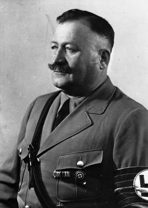
Profile photograph of Herbert Hagen in SS uniform with a peaked cap, 1943.

Herbert Hagen

An SS officer involved in anti-Jewish policy in France.

Details and 12 pages

A Cologne court sentenced him to twelve years in prison in 1980. Source.

Pages 12, 226, 243, 384, 386, 416, 483, 502, 503, 504, 668, 670

Herbert Kappler in 1977.

Herbert Kappler

German Security Police commander in Rome. The transcript calls him Kappler.

Details and 2 pages

An Italian military court sentenced him to life imprisonment in 1948 for the Ardeatine Caves massacre. He escaped to West Germany in 1977 and died in 1978. Source.

Pages 606, 607

Herbert Linden

Interior Ministry official who helped organize the murder of disabled people. The typed Gerstein account calls him Lindner and then Linden.

Details and 1 page

He died by suicide in Berlin in April 1945. Source.

Page 485

Herbert Reischauer

A Nazi Party Chancellery official who took part in discussions of anti-Jewish measures. The transcript names him as a senior government councillor.

Details and 10 pages

He was reported missing from February 1945 during the fighting for Posen. His death has not been independently confirmed. Source.

Pages 15, 29, 272, 633, 688, 699, 700, 703, 705, 448

Hermann Doerner

Probably Hermann Doerner, the RSHA officer who led the SD technical group overseeing its counterfeiting unit. The interviewer calls him Fritz Doerner.

Details and 2 pages

Pages 691, 692

Hermann Hiltl

Hermann Ritter von Hiltl, a founder and leader of the German-Austrian Front Fighters. The original typescript prints Hilk and says the old colonel died before a leadership struggle in the group.

Details and 1 page

He died in Bad Hall, Austria, on August 15, 1930, before the Second World War. Source.

Page 270

Hermann Hoefle (1898-1947)

The SS and police commander who replaced Gottlob Berger as commander of German occupation forces in Slovakia in September 1944. The original typescript prints Hoefler and calls him a Wehrmacht commander.

Details and 1 page

A court in Bratislava sentenced him to death in 1947. He was executed that December. Source.

Page 232

Hermann Krumey testifying after the war.

Hermann Krumey

SS officer who had led a resettlement office in Litzmannstadt and then served as one of Eichmann's principal aides in Hungary. The original typescript calls him Gromeid and uses several similar spellings.

Details and 35 pages

A Frankfurt court sentenced him to life imprisonment in 1969. He died in 1981. Source.

Pages 31, 74, 85, 88, 92, 108, 109, 110, 111, 132, 135, 159, 160, 175, 183, 184, 221, 222, 223, 224 to 225, 226, 227, 228, 232, 349, 398, 403, 405, 461, 471, 512, 514, 653, 712, 713

Hermann von Hanneken at a parade in Denmark in 1942.

Hermann von Hanneken

German military commander in Denmark who declared martial law in August 1943.

Details and 1 page

A Danish court sentenced him to eight years in prison in 1948. An appeals court acquitted him in 1949; he died in 1981. Source.

Page 597

Horia Sima in a dark uniform in a 1941 newspaper portrait.

Horia Sima

Leader of the Romanian Iron Guard and head of a German-backed Romanian government in exile. The original typescript calls him W. Ziemer and Worias Ziemer in the account of Eichmann taking Sima and his group into the mountains at Altaussee.

Details and 5 pages

After the war he lived among Iron Guard exiles in Spain. He died in 1993. Source.

Pages 457, 459, 461, 462, 463

Ingeburg Werlemann

Later Wagner, was Eichmann's secretary. The transcript says he dictated a letter to her.

Details and 1 page

She was held in Soviet custody until August 1948, later worked at a photo lab in Bonn, and died in 2010. Source.

Page 325

Ion Antonescu in a 1942 portrait photograph.

Ion Antonescu

Romania's wartime dictator.

Details and 5 pages

A Romanian court convicted him after the war. He was executed in 1946. Source.

Pages 49, 291, 294, 295, 711

A newspaper portrait of Ira Hirschmann in a dark suit and tie.

Ira A. Hirschmann

US War Refugee Board representative who spoke with Joel Brand.

Details and 1 page

He returned to the United States after the war, wrote about his rescue work, and died in 1989. Source.

Page 119

Portrait of Jakob Edelstein in round glasses.

Jakob Edelstein

Jakob Edelstein, a Prague Jewish leader later forced to lead the Jewish council at Theresienstadt.

Details and 5 pages

The SS deported him to Auschwitz and murdered him there on June 20, 1944. Source.

Pages 117, 151, 366, 373, 646

Jakob Lestschinsky

A researcher of Jewish population history. The transcript gives his surname in fragments and cites his 1946 study Balance Sheet of Extermination while discussing estimates of Jews murdered by the Nazis.

Details and 1 page

He moved to Israel in 1959 and died in Jerusalem in 1966. Source.

Page 665

Jenny Spritzer

Jewish Auschwitz survivor, prisoner 10291, later known as Jenny Schaner. Eichmann dismisses her account while arguing over camp admission figures.

Details and 1 page

She escaped an Auschwitz evacuation march in January 1945, published her memoir in 1946, and testified at the Frankfurt Auschwitz trial as Jenny Schaner while living in Zurich. Source.

Page 528

Joachim Deumling

Head of the RSHA office responsible for Polish affairs. Eichmann mentions him in connection with a proposed plan concerning Polish patients with tuberculosis. The original typescript types his surname Daeumling.

Details and 1 page

West Berlin investigators arrested him in 1967 in a case against former RSHA officials. A court released him from pretrial detention in 1968; the case did not reach a trial. Source.

Page 638

Joachim von Ribbentrop seated beside his standing counsel at the Nuremberg trial.

Joachim von Ribbentrop

Nazi foreign minister.

Details and 8 pages

He was convicted at Nuremberg and executed in 1946. Source.

Pages 48, 137, 341, 401, 569, 595, 597, 600

Josef Buehler in uniform cap, seated in an open car.

Josef Buehler

Josef Buehler, Hans Frank's deputy in occupied Poland and a participant in the Wannsee Conference.

Details and 2 pages

Poland tried him after the war and executed him in 1948. Source.

Pages 488, 492

Josef Opperbeck

An officer in the SS Economic and Administrative Main Office. Eichmann names him as the head of the US prisoner camp where he stayed under the name Eckmann in 1945.

Details and 3 pages

He gave a sworn statement for the Nuremberg Pohl trial in June 1947. Harvard Law School records his death in 1973. Source.

Pages 56, 57, 58

Josef Terboven wearing sunglasses outdoors in April 1942.

Josef Terboven

Nazi Reich Commissioner for occupied Norway. The sheet types Derhoff and Derhoven with question marks; a handwritten correction at the top reads Terboven.

Details and 1 page

He died by suicide with explosives at Skaugum, Norway, on 8 May 1945. Source.

Page 603

Jozef Beck standing beside a fireplace in a 1934 photograph.

Jozef Beck

Polish foreign minister from 1932 to 1939. A separate account read aloud in the interview calls him Minister Beck.

Details and 1 page

He was interned in Romania after the 1939 invasion of Poland and died there on June 5, 1944. Source.

Page 681

Jozef Tiso in clerical dress.

Jozef Tiso

Catholic priest and president of wartime Slovakia. The original typescript calls him Tisso and Disso.

Details and 12 pages

A Czechoslovak court sentenced him to death after the war, and he was executed in 1947. Source.

Pages 49, 50, 99, 123, 196, 197, 199, 200, 218, 219, 234, 531

Julius Streicher seated at a desk in his Nuremberg jail cell in 1945.

Julius Streicher

Publisher of the antisemitic newspaper Der Stuermer.

Details and 12 pages

He was convicted at Nuremberg and executed in 1946. Source.

Pages 18, 30, 208, 308, 309, 338, 367, 412, 417, 449, 670, 688

Julius Weiss

Likely the Vienna-based head of the Central European Vacuum Oil companies named in a 1929 report. Eichmann says Director Weiss helped him get a sales job; the transcript gives only his surname.

Details and 2 pages

Pages 256, 707

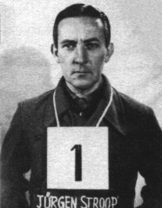
A prisoner photograph of Jurgen Stroop holding a numbered placard that carries his name.

Jurgen Stroop

SS officer who crushed the Warsaw Ghetto Uprising; the surname is misspelled in the original typescript.

Details and 4 pages

A Polish court sentenced him to death for crimes during the destruction of the Warsaw Ghetto. He was executed in 1952. Source.

Pages 25, 201, 204, 662

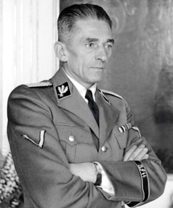
Karl Hermann Frank in SS-Gruppenfuehrer uniform with folded arms and an RF-SS cuff title.

Karl Hermann Frank

Senior Nazi official in occupied Bohemia and Moravia.

Details and 1 page

A Prague court tried him for his crimes, and he was executed in 1946. Source.

Page 25

Karl Otto Koch in a white SS summer uniform holding a camera.

Karl Otto Koch

Former commandant of Buchenwald concentration camp.

Details and 1 page

An SS court sentenced him to death; he was executed at Buchenwald in April 1945. Source.

Page 134

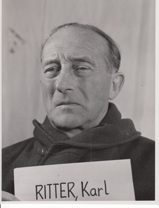
Black-and-white photograph of Karl Ritter, an older man with a receding hairline, holding a placard that reads RITTER, Karl.

Karl Ritter

A senior German Foreign Office official to whom the Budapest deportation telegram was copied.

Details and 1 page

A US military tribunal sentenced him to four years in prison in 1949. He died in 1968. Source.

Page 557

Karl Wolff in SS uniform in a 1937 portrait.

Karl Wolff

Himmler’s chief adjutant and later a senior SS commander in Italy. The original typescript spells his name Wolf in passages about Himmler and Eichmann’s clash with him.

Details and 10 pages

A Munich court sentenced him in 1964 to 15 years for aiding murder in at least 300,000 cases. Released due to illness in 1969, he died in 1984. Source.

Pages 19, 20, 68, 101, 413, 443, 561, 567, 703, 711

Konstantin von Neurath standing in a garden in a suit.

Konstantin von Neurath

Former German foreign minister and Reich Protector in occupied Bohemia and Moravia.

Details and 2 pages

The Nuremberg tribunal sentenced him to fifteen years in prison. He was released in 1954 because of illness and died in 1956. Source.

Pages 286, 287

Head-and-shoulders portrait of Kurt Gerstein in a pinstriped suit and tie.

Kurt Gerstein

SS officer who reported mass murder.

Details and 3 pages

He wrote an account of the mass murder he witnessed and was found dead in French custody in July 1945. Source.

Pages 483, 486, 487

Portrait of Kurt Lischka in profile, photographed after the war.

Kurt Lischka

Gestapo official responsible for Jewish affairs before Eichmann and later a senior SS officer in occupied France. Sheet 420 types Prof. Lischak, but a contemporary history study calls him Regierungsrat, a government councillor.

Details and 6 pages

A Cologne court sentenced him to ten years in prison in 1980 for his role in deportations from France. He was released early. Source.

Pages 300, 301, 365, 417, 419, 420

1943 portrait photograph of Laszlo Endre in a suit.

Laszlo Endre

Hungarian Interior Ministry state secretary and a chief organizer of the 1944 deportations. Eichmann calls him Dr. Enderle in his account of the forced marches toward Austria.

Details and 29 pages

A Hungarian people's court sentenced him to death for his role in the deportations. He was executed in Budapest on March 29, 1946. Source.

Pages 63, 68, 73, 74, 92, 94, 97, 122, 123, 124, 125, 126, 128, 129, 130, 145, 158, 162, 169, 171, 175, 181, 195, 199, 202, 313, 352, 405, 666

Laszlo Ferenczy in Hungarian gendarmerie uniform.

Laszlo Ferenczy

Hungarian gendarmerie officer who worked with Eichmann on the deportations from Hungary. The original typescript calls him Faerenzie.

Details and 12 pages

A Hungarian court sentenced him to death after the war, and he was executed in 1946. Source.

Pages 63, 66, 70, 73, 92, 97, 110, 124, 125, 157, 170, 172

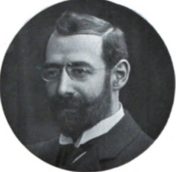
Black-and-white round portrait of a bearded man in pince-nez glasses and a high collar.

Leo Baeck

Rabbi and leader of German Jews under Nazi rule. Eichmann calls him Beck in passages about Jewish leadership and Theresienstadt; those claims are Eichmann's account.

Details and 5 pages

He survived Theresienstadt, settled in London after liberation, became the first international president of the Leo Baeck Institute in 1955, and died in 1956. Source.

Pages 54, 367, 373, 382, 711

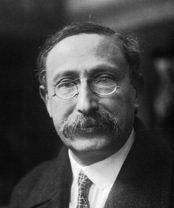
Leon Blum wearing round glasses and a dark suit in 1927.

Leon Blum

The former French prime minister. Eichmann names him among prominent Jewish prisoners. On Page 529, the questioner also quotes a notice about his brother Rene, whom the SS murdered at Auschwitz.

Details and 3 pages

He survived imprisonment at Buchenwald, returned to France, and died in 1950. Source.

Pages 3, 23, 529

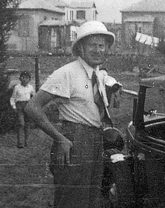
Leopold von Mildenstein in a sun helmet and shirtsleeves beside a car in Palestine, 1933.

Leopold von Mildenstein

SS officer involved in early Jewish policy.

Details and 6 pages

After the war he worked for companies including Ford and Coca-Cola. Source.

Pages 12, 22, 208, 243, 309, 384

Lina Heydrich in Prague in 1942.

Lina Heydrich

Wife of Reinhard Heydrich, named in a discussion of his family.

Details and 2 pages

She returned to Fehmarn after the war, published a memoir in 1976, and died there in 1985. Source.

Pages 671, 672

Painted portrait of Ludwig van Beethoven holding a score, 1820.

Ludwig van Beethoven

German composer named in a discussion of music.

Details and 1 page

He died in 1827, long before the war. Source.

Page 685

A portrait of Ludwik Hirszfeld in a dark suit and tie.

Ludwik Hirszfeld

Polish immunologist and Warsaw ghetto survivor. The original typescript misspells his name and misdescribes where he wrote his memoir.

Details and 1 page

After escaping the Warsaw ghetto, he published his memoir in 1946 and continued scientific work in Poland. He died in 1954. Source.

Page 681

Magda Feldkircher

Probably Magda Feldkircher, daughter of Max Feldkircher. Eichmann calls her Marg on one page and Magda on another, and a 1923 Linz newspaper names a Miss Magda Feldkircher at a gendarmerie ball. By his account they were together for more than two years, and she begged him to leave the SS when he joined it in 1932.

Details and 2 pages

Pages 257, 264

Majer Kerner

Deputy head of the Jewish Order Service at Plaszow. A child survivor account read in the interview calls him Kerner and names him alongside Marcel Goldberg.

Details and 1 page

A Polish court sentenced him to death after the war. Source.

Page 682

Studio portrait of Manfred von Killinger in a suit and striped tie.

Manfred von Killinger

Manfred von Killinger, German envoy to Romania.

Details and 7 pages

He died in Bucharest in 1944, before the end of the war. Source.

Pages 49, 102, 103, 145, 291, 293, 294

Portrait photograph of Manfred Weiss before 1922.

Manfred Weiss

Hungarian industrialist who founded the works that bore his name. The interview calls the 1944 deal over his family company the Baron Manfred Weiss affair; Weiss himself had died in 1922.

Details and 1 page

He died on December 25, 1922, before the Nazi takeover of his family company. Source.

Page 158

Black-and-white head-and-shoulders photo of Marc Klein, an older man in a dark suit and tie in front of bookshelves.

Marc Klein

A French Jewish doctor and Strasbourg biology professor. The interviewer reads from his account of a deportation transport from France. Eichmann takes part of it as support for his own claims; the interviewer then notes that Klein also reported elderly and chronically ill passengers.

Details and 1 page

After surviving Auschwitz, Gross-Rosen and Buchenwald, he became professor of medical biology in Strasbourg. He died in 1975. Source.

Page 674

Marcel Goldberg

Jewish prisoner functionary who headed the labor office at Plaszow and prepared prisoner transfer lists for Schindler’s factory. A child survivor account read in the interview names him alongside Kerner.

Details and 1 page

He fled after the war and avoided trial, according to the Institute of National Remembrance. Source.

Page 682

Maria Chilowicz

Wilhelm Chilowicz’s wife, who held a privileged position among the women prisoners at Plaszow. The child survivor account refers to her as the commandant’s wife.

Details and 1 page

The SS shot her at Plaszow on August 13, 1944. Source.

Page 682

Maria Moesenbacher

Eichmann recalls courting her through a monarchist club in Linz. Maria Moesenbacher later inherited a paperboard factory near Doppl and sold it in 1939 to the Vienna Jewish Emigration Fund. The site then housed a camp where Jewish youths were put to work.

Details and 1 page

During the postwar search for Eichmann, an Israeli investigator obtained a photograph of him through her.

Page 257

Painted portrait of Maria Theresa in Hungarian coronation robes.

Maria Theresa

Ruler of the Habsburg monarchy from 1740 to 1780.

Details and 1 page

She died in 1780, long before the war. Source.

Page 632

Martin Bormann in a 1939 portrait photograph.

Martin Bormann

Head of the Nazi Party Chancellery.

Details and 7 pages

He died in Berlin in the final days of the war. He was later convicted at Nuremberg in absentia. Source.

Pages 306, 363, 380, 425, 430, 431, 432

Black-and-white identity-card photograph of Martin Luther wearing round glasses and a pinstriped jacket.

Martin Luther

Martin Luther, Foreign Office official who attended the Wannsee Conference. The original typescript misspells his surname.

Details and 7 pages

The Nazi regime interned him in Sachsenhausen in 1943. He died in 1945. Source.

Pages 138, 292, 293, 304, 488, 521, 592

Martin Mutschmann at the 1934 Leipzig trade fair.

Martin Mutschmann

Nazi Party leader in Saxony, called Gauleiter Mutschmann in the transcript.

Details and 2 pages

Soviet authorities arrested him in 1945. A Soviet military court sentenced him to death, and he was executed in Moscow in 1947. Source.

Pages 54, 363

Maurice de Rothschild wearing a hat in a 1921 photograph.

Maurice de Rothschild

Maurice Edmond Charles de Rothschild, French senator and collector. The questioner lists his collection among Jewish-owned book collections taken from France.

Details and 1 page

He survived the war and died at Pregny, Switzerland, in 1957. Source.

Page 245

Maurycy Finkelstein

Deputy to Wilhelm Chilowicz who commanded the Jewish camp police at Plaszow. The original typescript spells his surname Finkenstein and runs it together with the reference to Chilowicz’s wife.

Details and 1 page

The SS shot him at Plaszow on August 13, 1944. Source.

Page 682

Max Brand

Probably Max Brand. Eichmann calls him Brandt and describes him as his early superior in the Security Service. A 1942 directory names Max Brand as police president of Graz.

Details and 5 pages

Pages 18, 242, 306, 308, 384

Max Feldkircher

Probably Max Feldkircher, who retired in 1924 as the economic officer of the Upper Austrian gendarmerie command in Linz. Eichmann calls him a colonel and former gendarmerie commandant, and says he took it calmly when Eichmann told his daughter he had joined the SS.

Details and 1 page

Page 264

Max Thomas

SS security official for Belgium and occupied France who later led Einsatzgruppe C. The transcript refers to him by surname.

Details and 3 pages

He died in December 1945 after a suicide attempt. Source.

Pages 286, 302, 303

Miklos Horthy in naval uniform and cap, 1921.

Miklos Horthy

Regent of Hungary during most of the war.

Details and 11 pages

He lived in exile in Portugal and died there in 1957. Source.

Pages 122, 123, 124, 169, 171, 172, 173, 175, 176, 197, 400

Mischa Sebba

Eichmann calls his Jewish childhood friend Harry Selbar. The matching family details point to Mischa Sebba, whose father Harry appears with Margarete Sebba in the 1936 Linz directory. Eichmann says they lost contact after 1932.

Details and 1 page

Andreas Weber reports that Sebba escaped with his family to New York in 1938 and died there in 1956. Source.

Page 254

Moses (biblical figure)

Biblical figure named in Eichmann's childhood memory. He says a religious textbook pictured Moses with horns and that he mistook a Linz monument for him.

Details and 1 page

Moses is a figure of ancient religious tradition.

Page 253

Moshe Bar-Zvi (Schweiger)

Named in a passage about a Budapest camp.

Details and 1 page

He survived Mauthausen, settled in Israel in 1947, worked as a lawyer and died on August 13, 1963. Source.

Page 187

A small black and white portrait of Moshe Krausz wearing round glasses, a jacket and tie.

Moshe Krausz

Head of the Palestine Office in Budapest; the original typescript spells his surname Kraus.

Details and 2 pages

He moved to Israel and ran an institution for boys. Source.

Pages 75, 76

Nahum Goldmann in a close portrait, 1972.

Nahum Goldmann

Zionist leader.

Details and 7 pages

He led the World Jewish Congress from 1949 to 1977 and died in 1982. Source.

Pages 163, 337, 338, 339, 340, 341, 440

Olga von Haymerle

Born Olga Enge, was Eichmann's great-aunt. He recalls her visits to his family in Linz and says she grieved for her eldest son, who had lived in a care home near the city.

Details and 3 pages

She died in 1943, before the war ended. Source.

Pages 707, 708, 709

Oskar Schroeder after the war.

Oskar Schroeder

Chief of the Luftwaffe medical service, named in a question about experiments.

Details and 1 page

A US military tribunal convicted him in the Nuremberg Doctors Trial. He died in 1959. Source.

Page 711

Otto Abetz in a dark suit and patterned tie, looking to the side, with spectators behind him.

Otto Abetz

German ambassador to occupied France, named in discussion of policy and deportations there.

Details and 4 pages

A French court sentenced him to twenty years in prison in 1949. He was pardoned in 1954 and died in a car crash in 1958. Source.

Pages 50, 296 to 297, 300, 585

Otto Georg Thierack in a portrait photograph.

Otto Georg Thierack

Reich justice minister who made an agreement with Himmler to send prisoners to concentration camps.

Details and 1 page

He died by suicide in British custody in 1946 before the Nuremberg Judges Trial. Source.

Page 364

Otto Hofmann speaking in the Netherlands in 1942.

Otto Hofmann (Wannsee)

Chief of the SS Race and Settlement Main Office and a participant in the Wannsee Conference.

Details and 1 page

A US military tribunal sentenced him to 25 years in prison in 1948. He was pardoned in 1954 and died in 1982. Source.

Page 488

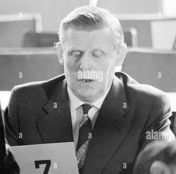
Black-and-white courtroom photo of Otto Hunsche in a suit and patterned tie, eyes closed, holding a card marked 7.

Otto Hunsche

Eichmann's legal adviser and a government councillor in his office, including in Hungary.

Details and 12 pages

A Frankfurt court sentenced him to twelve years in prison in 1969. Source.

Pages 147, 210, 402, 452, 457, 458, 460, 462, 464, 467, 614, 704

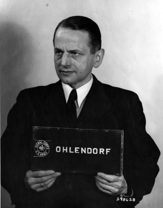
Otto Ohlendorf holding a U.S. Army Signal Corps name board in a custody portrait.

Otto Ohlendorf

Commander of Einsatzgruppe D.

Details and 14 pages

He was convicted for the mass murder committed by Einsatzgruppe D and executed in 1951. Source.

Pages 11, 35, 36, 53, 236, 291, 306, 395, 409, 412, 478, 570, 662, 704

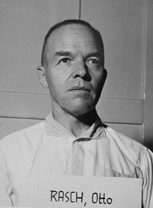
Otto Rasch during the Einsatzgruppen Trial.

Otto Rasch

SS security official mentioned in the account of Eichmann's 1938 transfer to Vienna. He later commanded Einsatzgruppe C.

Details and 2 pages

He was charged in the Einsatzgruppen Trial, but his case was severed because of illness. He died in 1948 without a verdict. Source.

Pages 244, 371

Otto Stange

Reich Transport Ministry official who arranged railway timetables for deportation trains with Eichmann's transport officer Franz Novak.

Details and 8 pages

A later account reports that he worked for the West German Federal Railway in Frankfurt after the war. This career detail still needs a stronger source. Source.

Pages 33, 142, 143, 200, 507, 511, 548, 582

Close photograph of General Otto von Stuelpnagel in a peaked cap, seen from the side.

Otto von Stuelpnagel

Otto von Stuelpnagel, German military commander in occupied France. The original typescript misspells his surname.

Details and 1 page

He died by suicide in French custody in 1948. Source.

Page 301

Head and shoulders of a police officer in a peaked cap and greatcoat, cropped from a group of three.

Otto Winkelmann

Higher SS and Police Leader in Hungary during the deportations.

Details and 13 pages

He returned to Germany after the war and died in 1977. Source.

Pages 63, 66, 67, 68, 69, 73, 90, 123, 170, 171, 177, 461, 482

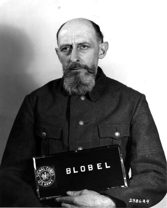
Paul Blobel in a US Army identification photograph, 1948.

Paul Blobel

The SS officer who directed the effort to exhume and burn bodies at mass murder sites in the occupied east. The original typescript writes Globel.

Details and 2 pages

A US military tribunal convicted him in the Einsatzgruppen Trial. He was executed in 1951. Source.

Pages 397, 452

Paul Dunant

Probably Paul Dunant of the International Committee of the Red Cross. Eichmann says he received two Red Cross visits to Theresienstadt himself and names one leader as Dr. Dinar. He accompanied the April 6, 1945 delegation of Paul Dunant and Otto Lehner.

Details and 1 page

He took charge of Theresienstadt for the Red Cross from May 2 to 10, 1945 and handed it over to the Soviet command.

Page 217

A studio portrait of Peter Hain in profile, in evening dress with a bow tie.

Peter Hain

Peter Hain headed the Hungarian political police unit often called the Hungarian Gestapo. The original typescript calls him Peter Hein in passages about Kasztner and confiscated property.

Details and 2 pages

He fled to Germany in late 1944, was captured, and was executed in Budapest on June 27, 1946 after a war-crimes conviction. Source.

Pages 158, 352

Pierre Laval in a hat and overcoat, 1936.

Pierre Laval

Head of the Vichy French government in 1942. The original typescript calls him Lavalle or La Valle while discussing the deportation of Jews from France.

Details and 11 pages

French authorities tried him for treason and executed him on 15 October 1945. Source.

Pages 16, 517, 518, 519, 520, 530, 531, 532, 536, 537, 540

Rainer Stahel in Soviet custody, 1944.

Rainer Stahel

German military commander in Rome in 1943. The original typescript calls him Stahlem while reading an account of a proposed deportation there.

Details and 1 page

He was held in Soviet captivity after the war and died there. Source.

Page 605

Ralf Rogge

Likely Ralf Rogge, an SS doctor at Auschwitz who moved to Buchenwald in January 1944. The typescript calls him Dr. Roge while discussing Mark Klein's testimony.

Details and 1 page

After 1945, he worked as a general practitioner in Bremerhaven. Source.

Page 674

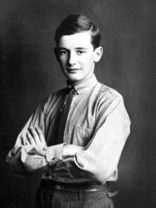
Raoul Wallenberg as a young man, with arms folded.

Raoul Wallenberg

Swedish diplomat who protected Jews in Budapest.

Details and 3 pages

Soviet authorities took him into custody in 1945. His exact fate remains unresolved. Source.

Pages 712, 713, 714

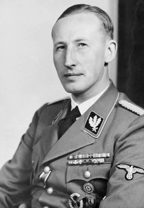
Reinhard Heydrich in uniform around 1940.

Reinhard Heydrich

Head of the Reich Security Main Office until 1942.

Details and 132 pages

He died in 1942 from wounds sustained in an assassination attempt. Source.

Pages 5, 6, 8, 12, 14, 15, 17, 18, 19, 20, 30, 34, 36, 37, 39, 40, 44, 45, 59, 75, 77, 80, 100, 101, 118, 137, 138, 139, 140, 141, 146, 148, 150, 152, 172, 196, 204, 205, 215, 226, 227, 236, 237, 238, 239, 250, 268, 273, 275, 285, 286, 287, 289, 292, 296 to 297, 301, 302, 303, 306, 308, 309, 320, 321, 325, 375, 378, 386, 387, 389, 391, 393, 395, 401, 406, 415, 418, 422, 423, 424, 425, 426, 427, 428, 429, 430, 431, 432, 433, 437, 442, 445, 487, 488, 490, 492, 493, 494, 499, 500, 501, 502, 503, 543, 554, 555, 560, 561, 562, 564, 567, 570, 571, 572, 580, 581, 592, 594, 595, 619, 638, 645, 646, 648, 649, 650, 653, 669, 670, 671, 672, 673, 691

Elderly Richard Korherr seated at a desk with papers.

Richard Korherr

SS statistician named in the discussion of wartime figures.

Details and 4 pages

After the war he worked in West German public service. He died in 1989. Source.

Pages 33, 599, 600, 715
Robert H. Jackson speaking at the Nuremberg trial in 1945.

Robert H. Jackson

US Supreme Court justice and chief US prosecutor at the first Nuremberg trial.

Details and 2 pages

He returned to the US Supreme Court after the Nuremberg trial and served until his death in 1954. Source.

Pages 4, 28

Robert Ley in uniform, 1933.

Robert Ley

Head of the German Labor Front.

Details and 4 pages

He died by suicide in Nuremberg prison in 1945 before his trial began. Source.

Pages 9, 44, 672, 673

Roland Freisler in a 1942 portrait.

Roland Freisler

State secretary at the Reich Justice Ministry and a participant in the Wannsee Conference.

Details and 1 page

He was killed in an air raid on Berlin in 1945. Source.

Page 488

Rolf Witting at his desk.

Rolf Witting

Finnish foreign minister from 1940 to 1943.

Details and 1 page

He died in 1944, before the war ended. Source.

Page 712

Rudolf Brandt at his Nuremberg trial.

Rudolf Brandt

Member of Himmler's personal staff, named in a discussion of that office.

Details and 1 page

A Nuremberg tribunal convicted him, and he was executed in 1948. Source.

Page 698

Rudolf Hess seated in his Nuremberg prison cell, holding a book.

Rudolf Hess

Former deputy to Hitler and a defendant at Nuremberg.

Details and 1 page

He was sentenced to life imprisonment at Nuremberg. Source.

Page 380

Rudolf Jaenisch

The office manager in Eichmann's section. Eichmann names him as a fellow internee after the war.

Details and 5 pages

He worked as an employee in Hameln after the war and later gave evidence about Eichmann's office. Source.

Pages 57, 58, 248, 463, 467

Rudolf Mildner

Gestapo officer.

Details and 8 pages

US custody records say he escaped from a Nuremberg internment camp in 1946. He later went to Argentina. Source.

Pages 106, 107, 515, 595, 597, 603, 604, 712

Black-and-white head-and-shoulders photograph of Rudolf Rahn in a suit and tie.

Rudolf Rahn

German diplomat posted in Tunis and later to Mussolini's government. The transcript discusses his claimed role in the fate of Jews in Tunisia.

Details and 1 page

After the war he managed the Coca-Cola operation in Duesseldorf from 1950. He died in 1975. Source.

Page 518

Rudolf Sedlatschek

A Vienna dentist who carried messages and money between the Budapest rescue committee and Oskar Schindler in Krakow. Alex Weissberg's 1956 account of Joel Brand names him Dr. Rudi Sedlacek; the original typescript spells the surname Setlascheck.

Details and 1 page

Page 76

Rudolf von Haymerle

Olga and Franz Josef's youngest son. Eichmann recalls his service as a captain in the Austro-Hungarian general staff.

Details and 1 page

He died in 1942, before the war ended. Source.

Page 707

Black-and-white head-and-shoulders photo of Saly Mayer in a dark suit with a pocket square.

Saly Mayer

Swiss Jewish relief organizer who negotiated with Kurt Becher.

Details and 3 pages

He died in 1950. Source.

Pages 79, 175, 177

Siegfried Seidl in a two-view identification photograph.

Siegfried Seidl

The first SS commandant of the Theresienstadt ghetto. The original typescript writes Seidel.

Details and 1 page

An Austrian court sentenced him to death for crimes at Theresienstadt, and he was executed in 1947. Source.

Page 379

Sigmund Rascher

SS doctor who carried out experiments on prisoners at Dachau.

Details and 1 page

The SS killed him at Dachau in April 1945, shortly before the camp was liberated. Source.

Page 710

Stephanie Zelenka

Probably Stephanie Zelenka, a teacher who lived in Urfahr in the household of the master tailor Karl Zelenka. Eichmann recalls her as his first teacher, a master tailor's daughter, who coached him for the secondary-school entrance examination.

Details and 1 page

Page 253

Teddy Kollek in a suit and tie, head and shoulders.

Teddy Kollek

Probably Teddy Kollek, David Ben-Gurion's close aide. The questioner asks about a 'Denny Collet, personal secretary of' and turns at once to Ben-Gurion. Joel Brand's account, read in these sessions, describes Kollek meeting him in Cairo in 1944 as Ben-Gurion's right hand. Eichmann says the name means nothing to him.

Details and 1 page

He was mayor of Jerusalem from 1965 to 1993 and died in 2007.

Page 120

Theodor Herzl with folded arms in an 1898 portrait.

Theodor Herzl

Founder of political Zionism, whose name is misspelled in the original typescript.

Details and 3 pages

He died in 1904, long before the war. Source.

Pages 7, 14, 391

Theodore N. Kaufman in a portrait photograph reproduced in 1942.

Theodore N. Kaufman

Theodore Newman Kaufman, an American writer whose 1941 book was used in Nazi propaganda. The questioner repeats a Nazi leaflet that falsely called him a spokesman for Jews worldwide.

Details and 2 pages

He survived the war and died in 1986. Source.

Pages 714, 715
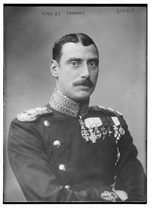
Colour portrait of General Ulrich Kleemann in Wehrmacht uniform with a Knight's Cross at his collar.

Ulrich Kleemann

German commander on Rhodes in 1944. The original typescript calls him Clemens in a question about the deportation of Jews from Rhodes.

Details and 1 page

He survived the war and died in 1963. Source.

Page 193

Veit Harlan outside a Hamburg court in 1949.

Veit Harlan

Film director of the Nazi propaganda film Jud Suess, named in a question about police screenings.

Details and 1 page

German courts acquitted him in postwar trials. He resumed directing films and died in 1964. Source.

Page 420

Viktor Brack testifying at Nuremberg in 1947.

Viktor Brack

Nazi Chancellery official involved in the killing program for disabled people.

Details and 4 pages

He was convicted in the Nuremberg medical trial and executed in 1948. Source.

Pages 705, 706, 707, 710

Vinzenz Hennl

Probably Vinzenz Hennl, the gymnastics teacher of the Linz Realschule. Eichmann recalls a gymnastics professor he calls Haehntel, whose gym he and a schoolmate strewed with percussion caps.

Details and 1 page

Page 253

Vittorio Ambrosio in an Italian general's peaked cap and uniform, looking to the left.

Vittorio Ambrosio

Italian chief of the general staff. The original typescript calls him Ambrosius while discussing Italian protection of Jews in occupied France.

Details and 1 page

He retired from the Italian Army in 1945 and died in 1958. Source.
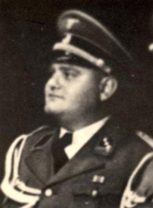
Page 533 to 534

Vojtech Tuka in a dark shirt.

Vojtech Tuka

Prime minister of wartime Slovakia; a question in the transcript wrongly calls him state president.

Details and 2 pages

A Czechoslovak court sentenced him to death, and he was executed in 1946. Source.

Pages 215, 216

Walter Guinness, Lord Moyne, in a suit.

Walter Guinness

British resident minister in the Middle East, known as Lord Moyne. The original typescript calls him Lord Moin.

Details and 1 page

He was assassinated in Cairo in November 1944. Source.

Page 213

Walter Huppenkothen

A senior Gestapo officer in the Reich Security Main Office, called Hubenkoden in the original typescript.

Details and 3 pages

A West German court convicted him in 1956 of aiding five murders connected with the April 1945 executions of resistance members. He died in 1979. Source.
Pages 10, 11, 481

Walter Pfrimer, right, in a 1931 Heimwehr photograph.

Walter Pfrimer

Leader of the Styrian Heimatschutz. His name is added by hand beside the typed account of Rauter.

Details and 1 page

He was held until 1947 after the war, then resumed work as a lawyer. He died in 1968. Source.

Page 610

Werner Best in uniform in a 1942 portrait photograph.

Werner Best

SS official and German representative in Denmark.

Details and 10 pages

A Danish court sentenced him to death after the war. Denmark’s highest court reduced the sentence to twelve years, and he was pardoned on August 29, 1951. Source.

Pages 146, 500, 501, 585, 595, 596, 597, 598, 604, 712

Portrait of young Werner von Bargen in student dress.

Werner von Bargen

The Foreign Office representative to the German military government in occupied Belgium from 1940 to 1943. The original typescript calls him Werner Balken in a discussion of deportations.

Details and 1 page

He returned to West German diplomatic service in 1951, served as ambassador to Iraq from 1960 to 1963, and died in 1975. Source.

Page 592

Wilhelm Bruno Waneck

Head of RSHA Section VI E, which dealt with southeastern Europe. Eichmann names him as a close associate of Kaltenbrunner and a superior of Wilhelm Hoettl.

Details and 1 page

Nuremberg investigators questioned him repeatedly from 1946 to 1948. His later fate hasn't yet been verified. Source.

Page 669

Wilhelm Canaris in uniform, around 1940.

Wilhelm Canaris

Head of German military intelligence.

Details and 5 pages

The Nazis executed him at Flossenbuerg in April 1945. Source.

Pages 30, 132, 308, 449, 571

Wilhelm Chilowicz

Head of the Jewish Order Service and later camp elder at Plaszow. The child survivor account read in the interview calls him the Jewish commandant but leaves his name blank.

Details and 1 page

The SS shot him at Plaszow on August 13, 1944. Source.

Page 682

Wilhelm Fuchs

Commander of the German Security Police and SD in occupied Serbia in 1941. Eichmann remembers that Schaefer succeeded him and describes a visit from Fuchs.

Details and 1 page

A Belgrade court sentenced him to death in December 1946. He was hanged on January 24, 1947. Source.

Page 140

Wilhelm Harster at right at the special court in 1949.

Wilhelm Harster

Commander of the Security Police and SD in the occupied Netherlands. The original typescript calls him Harstner.

Details and 6 pages

A Dutch court sentenced him to twelve years in 1949. A Munich court sentenced him to fifteen years in 1967 for aiding murder in the deportation of Dutch Jews; he was pardoned in 1969. Source.

Pages 608, 609, 610, 611, 627, 628

Black-and-white head-and-shoulders photo of Wilhelm Hoettl in a dark uniform shirt.

Wilhelm Hoettl

Austrian SS intelligence officer who worked in Hungary and later testified at Nuremberg.

Details and 18 pages

After the war he worked with US counterintelligence, sold intelligence to several buyers, and died in 1999. Source.

Pages 28, 43, 44, 59, 471, 472, 475, 477, 478, 479, 480, 482, 483, 664, 668, 669, 670, 672

Wilhelm Keitel seated in his Nuremberg cell in November 1945.

Wilhelm Keitel

Chief of the German Armed Forces High Command.

Details and 4 pages

He was convicted at Nuremberg and executed in October 1946. Source.

Pages 45, 301, 302, 303

Wilhelm Kube in SS uniform in 1934.

Wilhelm Kube

Nazi civilian administrator in German-occupied Belarus.

Details and 1 page

A partisan killed him with a bomb in Minsk in 1943. Source.

Page 585

Wilhelm Pfannenstiel in a suit and tie holding a card reading PFANNENSTIEL, Prof. Wilhelm.

Wilhelm Pfannenstiel

SS doctor named in the account of Kurt Gerstein's visit to Belzec.

Details and 1 page

US authorities interned him until 1950. He later worked for a pharmaceutical company and died in 1982. Source.

Page 484

A prisoner photograph of Wilhelm Stuckart holding a placard that reads STUCKART, Dr. Wilhelm.

Wilhelm Stuckart

Wilhelm Stuckart, Interior Ministry official who helped write anti-Jewish laws and attended the Wannsee Conference.

Details and 4 pages

A Nuremberg court sentenced him to time already served in 1949. He died in a traffic accident in 1953. Source.

Pages 698, 699, 702, 703

Wilhelm Zoepf in SS uniform seated outdoors with hands clasped.

Wilhelm Zoepf

An SS officer in the Netherlands.

Details and 12 pages

A Munich court sentenced him to nine years in prison in 1967 for his part in the deportation of Dutch Jews. Source.

Pages 236, 314, 461, 608, 609, 610, 612, 616, 625, 628, 634, 635

Black-and-white crop of a bearded rabbi in a prayer shawl and a flat cap.

Zvi Koretz

Chief rabbi of Salonika and head of its Jewish Council. The original typescript types his surname Kroetts and Koretts.

Details and 1 page

He was deported to Bergen-Belsen in 1943 and died of typhus in 1945, soon after liberation. Source.

Page 189

Names awaiting identification

Anton Meier

An acquaintance Eichmann says he visited in Traun in 1934; his later life is still being checked.

Details and 1 page

Page 260

Arnold Behrend

Eichmann says Hans Hinkel invited him to an artists' club he called Arnold Behrend's place, next to the Rathenau villa in Berlin-Grunewald. He recalls Propaganda Ministry staff and journalists eating there.

Details and 1 page

Page 688

Bolanski

Eichmann's driver near Altaussee as the war ended. Eichmann says he sent Bolanski to buy bread and later gave him a truck and a Fiat Topolino for a planned transport business.

Details and 1 page

Page 462

Brandt (other mention)

The surname appears in an example about communism; this person has not been identified.

Details and 1 page

Page 339

Brandt (schoolteacher)

Eichmann remembers a mathematics professor named Brandt at the higher state technical school in Linz, a former teacher at an imperial military school who gave the boys great freedom in class.

Details and 1 page

Page 254

Captain Nagy

A handwritten note names Captain Nagy as Laszlo Ferenczy's adjutant. Historian Judit Molnar names Leo Laszlo Lulay as Ferenczy's deputy in 1944; the person meant by the note remains uncertain.

Details and 1 page

Page 70

Director Kahnhaeuser

Eichmann says that after leaving the electrical construction firm he reported to Director Kahnhaeuser at the Vacuum Oil Company in Linz. He says Kahnhaeuser told him at once that he was not a Jew but came from Saxony.

Details and 1 page

Page 257

Dr. Ordner

Eichmann names a Dr. Ordner among the Linz Realschule teachers he says he troubled. The school later had a teacher named Wilhelm Orthner, but without a doctorate, and he is not listed in Linz before 1925.

Details and 1 page

Page 253

Fanny Boeck

Eichmann recalls courting Fanny Boeck, the young daughter of the innkeeper at Sankt Nikola in the Strudengau, and swimming the Danube to impress her. The innkeeper family there was named Fannenböck, so the name may be misheard.

Details and 1 page

Page 259

Firnschuss

Eichmann says Firnschuss was a mine foreman hired by his father at the Untersberg mining company. Firnschuss drove tunnels and shafts; his brother supervised blasting. The transcript gives no first name.

Details and 1 page

Page 256

Fuchs (Abwehr remark)

The surname Fuchs appears in a short typed note after Eichmann's discussion of Canaris and military intelligence. The sheet gives no first name or clear role.

Details and 1 page

Page 132

Henry Lakasch

Eichmann says he met Lakasch aboard ship on his trip to Palestine and stayed with him for three days in Alexandria. Eichmann calls him president of a group of young Arab lawyers.

Details and 1 page

Page 13

Ignaz Kaufmann

Named in a child survivor account that the interviewer read aloud. The account accused him of informing for the Gestapo.

Details and 1 page

Page 683

Jonas

Eichmann recalls Jonas as the foreman at a railway power station during a school work placement. He says Jonas covered for him when he left for the cinema. The transcript gives no first name.

Details and 2 pages

Pages 255, 256

Judge Baumann

An SS and police-court judge in Eichmann's account of a missing pouch of diamonds. Eichmann's 1961 trial testimony first calls him Baumann or Baugarten, then Baumann.

Details and 1 page

Page 346

Klawitz (schoolteacher)

Eichmann recalls that a teacher named Klawitz in Solingen also taught his class religion, before the family moved to Austria. He is a different person from the SS officer typed Klawitz and corrected to Klages on Page 88.

Details and 1 page

Page 253

Kraus (Klages adjutant)

An officer named in a question about Klages; his full identity is still being checked.

Details and 1 page

Page 168

Liebermann Kullwinger

The questioner begins to read the account of a child born in 1930 under this name. The passage starts with the Soviet occupation.

Details and 1 page

Page 683

Professor Bopesku

Eichmann says he spoke after the war with a man typed as Professor Bopesku, a former close associate of Horia Sima, and asked him to pass on greetings. The Iron Guard figure Stan M. Popescu, who later taught in Buenos Aires, is one possible match.

Details and 1 page

Page 463

Raubnits

Eichmann recalls Raubnits as a leader of the Jewish section of a monarchist club in Linz. A Hofrat Raudnitz attended a Linz Front Fighters evening in 1929, which may point to the same family.

Details and 1 page

Page 257

Winkler (schoolmate)

Eichmann says a schoolmate from the Winkler family, which had long run the postal service in Linz, joined him in strewing percussion caps in the school gym. The family ran the Linz Poststallamt, headed in 1921 by Adolf Winkler. The transcript does not say which son it was.

Details and 1 page

Page 253

Wolf (dentist)

Dentist in Germany whose waiting room Eichmann says he and Horia Sima proposed as a postwar meeting point. The transcript gives no first name.

Details and 1 page

Page 463

Wulf

The questioner cites a book's claim that an envoy from Eichmann's office named Wulf went to Greece to prepare deportations. The claim appears to come from Gerald Reitlinger's The Final Solution, which names an SS officer Wulff of Eichmann's office in Salonika in December 1942. Eichmann denies having anyone by that name on his staff.

Details and 2 pages

Pages 188, 194

Photo credits